
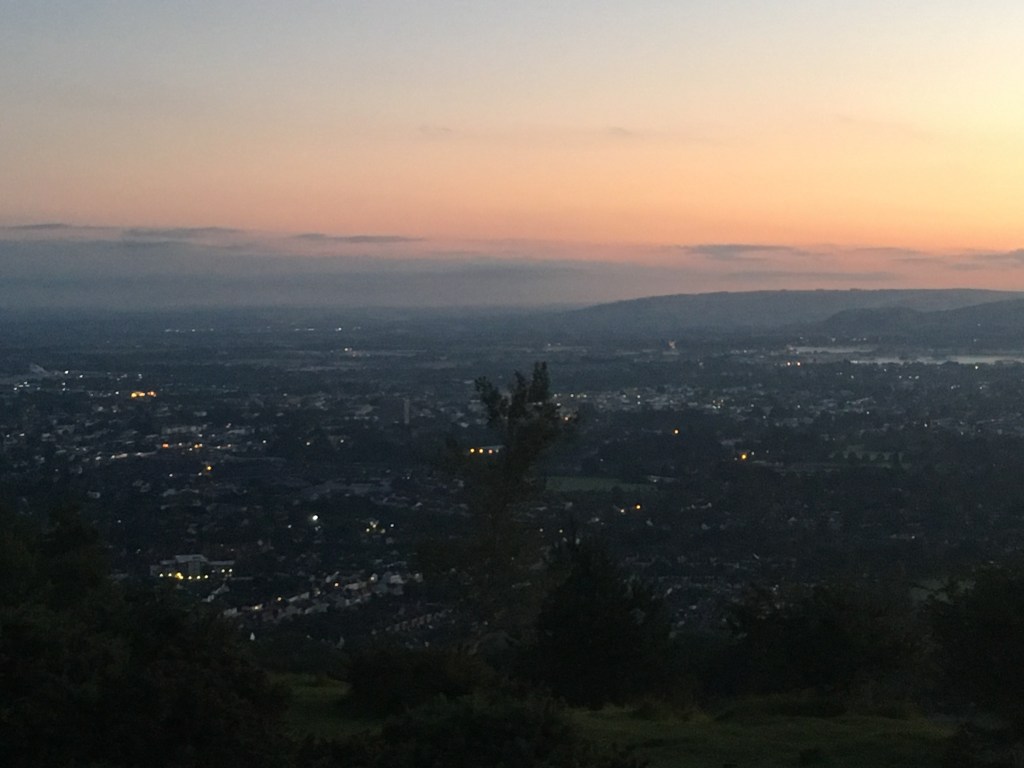
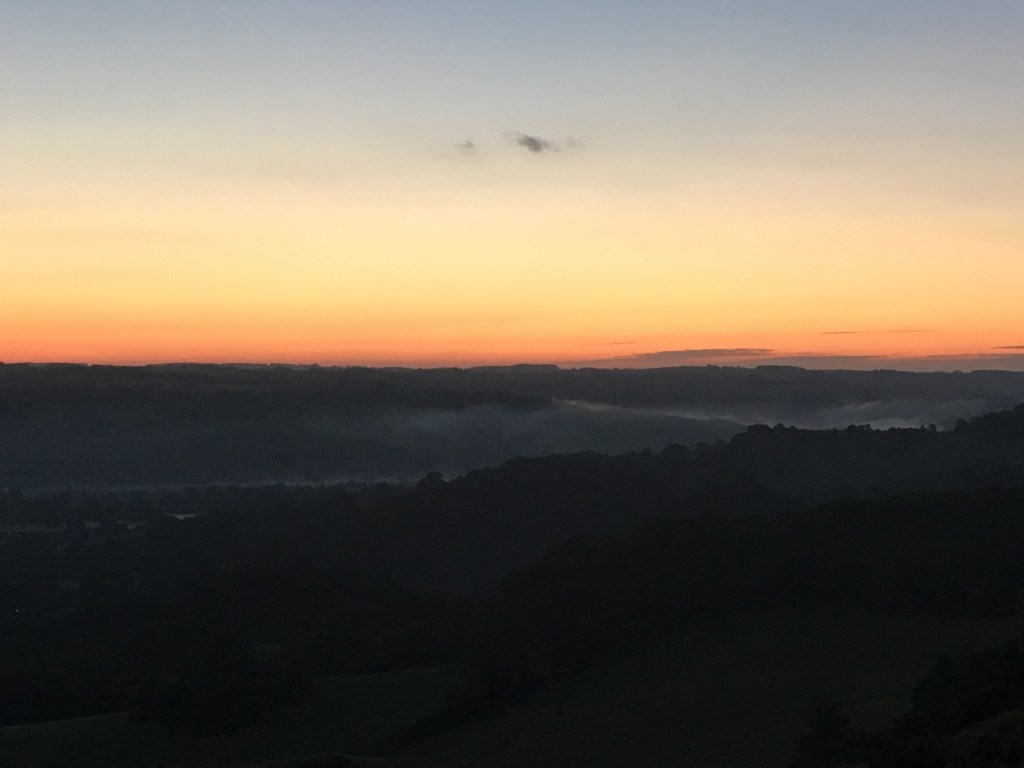
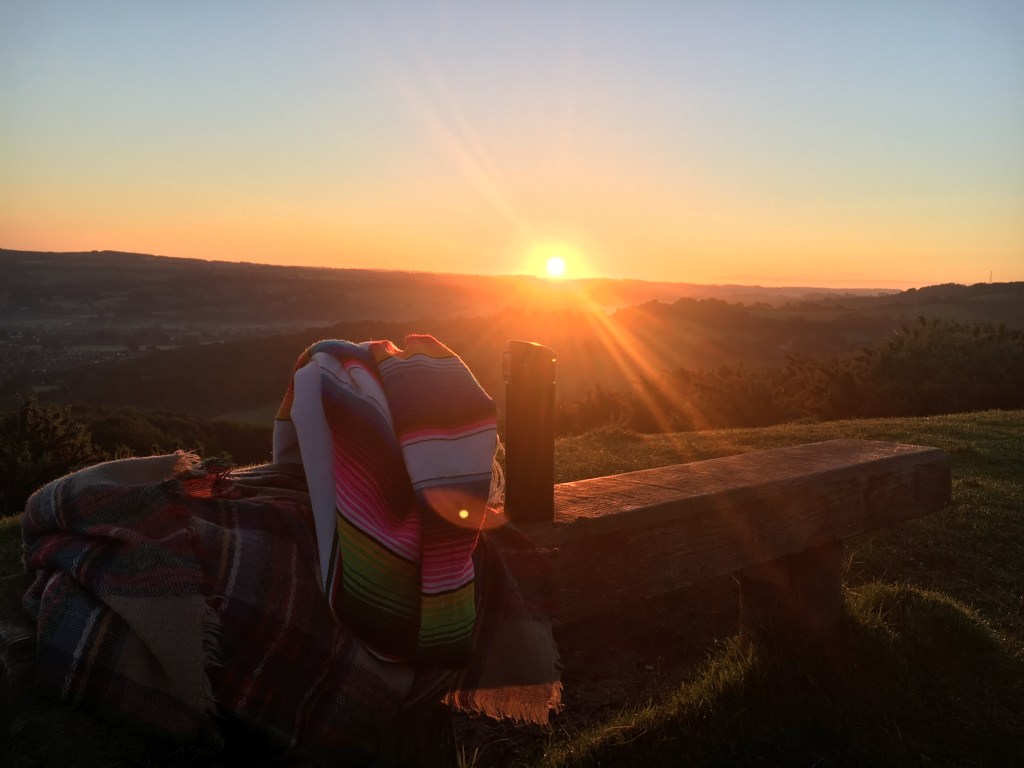
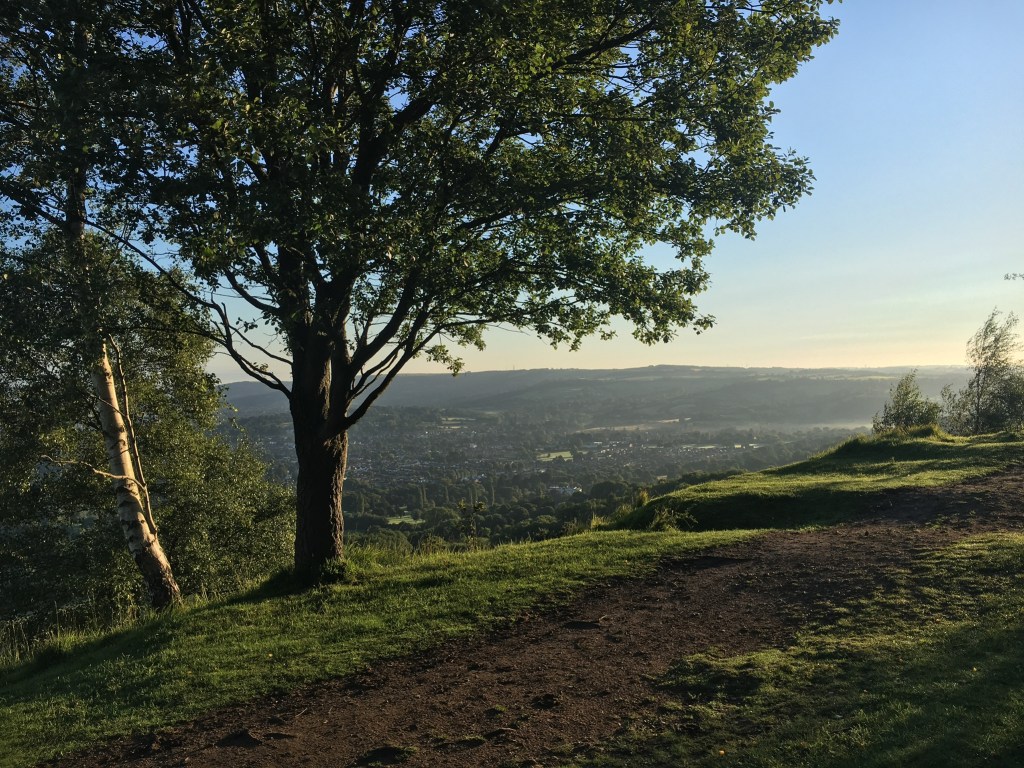
On August 10th 2017 my friend and I set an alarm to wake before dawn. Sleepy-eyed, bundled up in scarves, we made our way up into the hills and onto the Cotswold Way to watch the sun rise over Cheltenham. It appeared, slowly, a blaze of reddened gold in a mist of pink, casting warmth over the blue valleys below. We tracked its (miraculous) upward journey, layers of colour falling away, until all of a sudden morning broke, and we found ourselves in a heaven of blue and green under a pale gold star. Looking back, I could not have planned a more beautiful goodbye to the UK. But at the time of course it didn’t feel that way, it was only meant to be temporary. On August 21st 2017 I touched down in Auckland.
On the eve of my three year anniversary in New Zealand, I wanted to pause for a moment to try write the words that I would have found comforting back in 2017, before I left. Although I had put so much into making this happen, I was still confused and unsure of what I was doing. I was happy in Cheltenham. I loved that part of the UK, its gentle hills, pastel skies, honeyed sandstone. I loved being just over an hour’s drive away from home for the first time in years, from my mama’s dinners, family walks, long conversations spilling lazily into the next day. I spent hours talking with the people I loved, hours simply walking alone and turning everything over in my mind, searching everywhere for meaning, for signs. To no avail. I couldn’t articulate what I was hoping to find. A part of me was excited for the adventure. A part of me was scared and uncertain.
From a little further down the road, some thoughts.
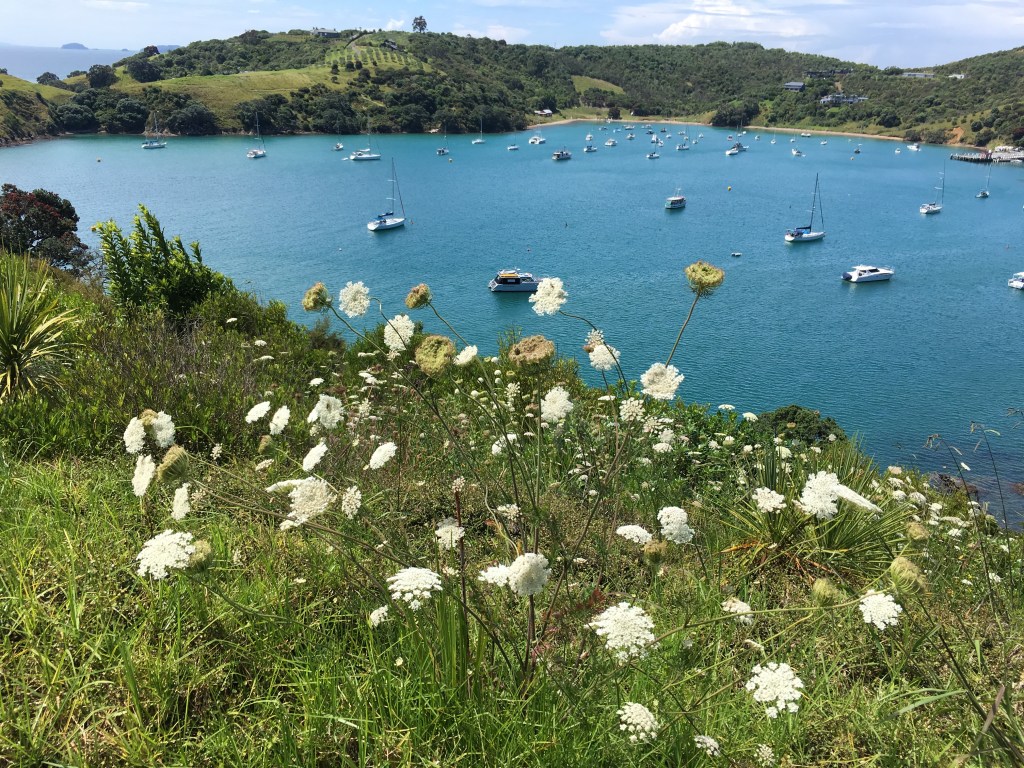

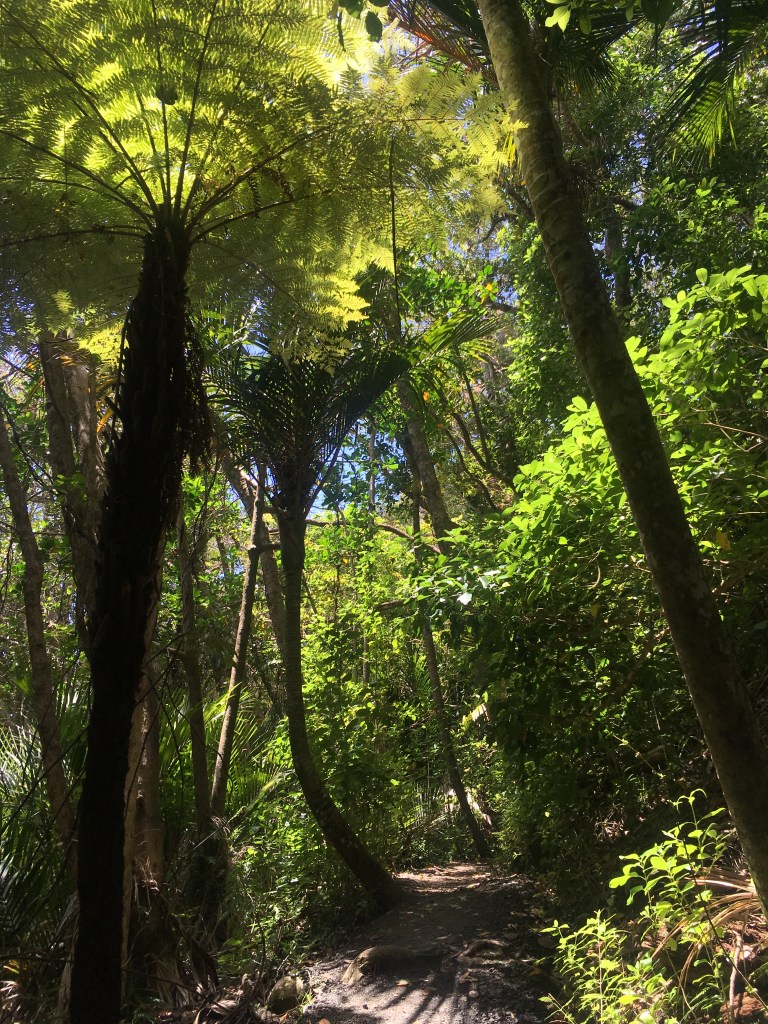

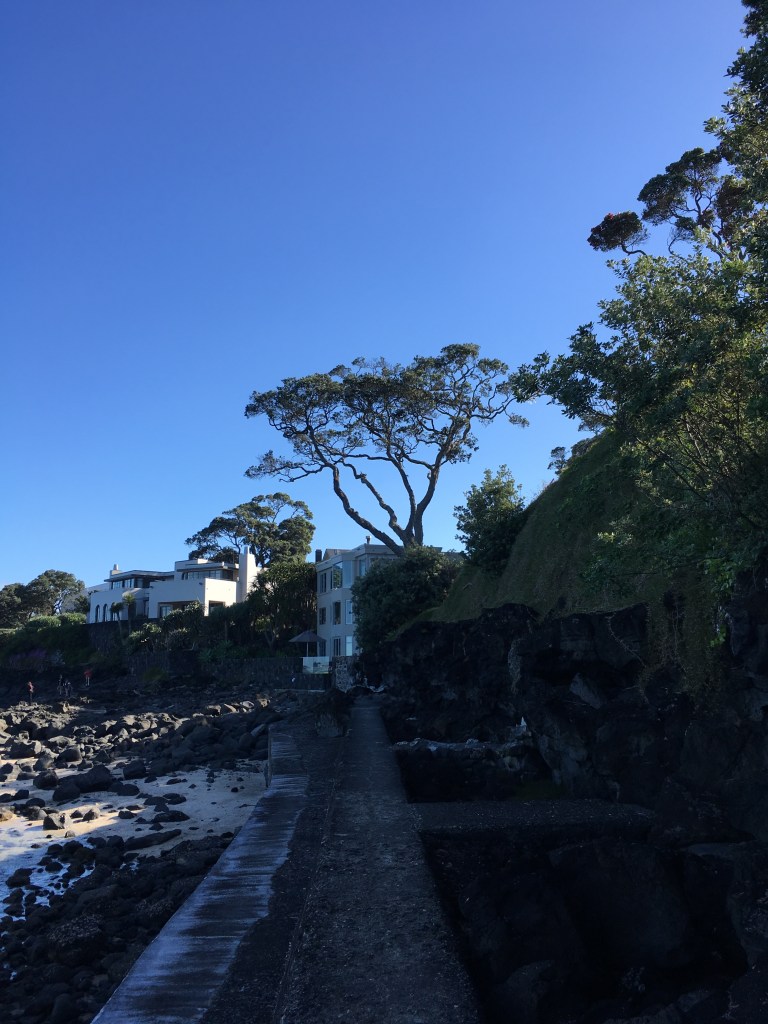
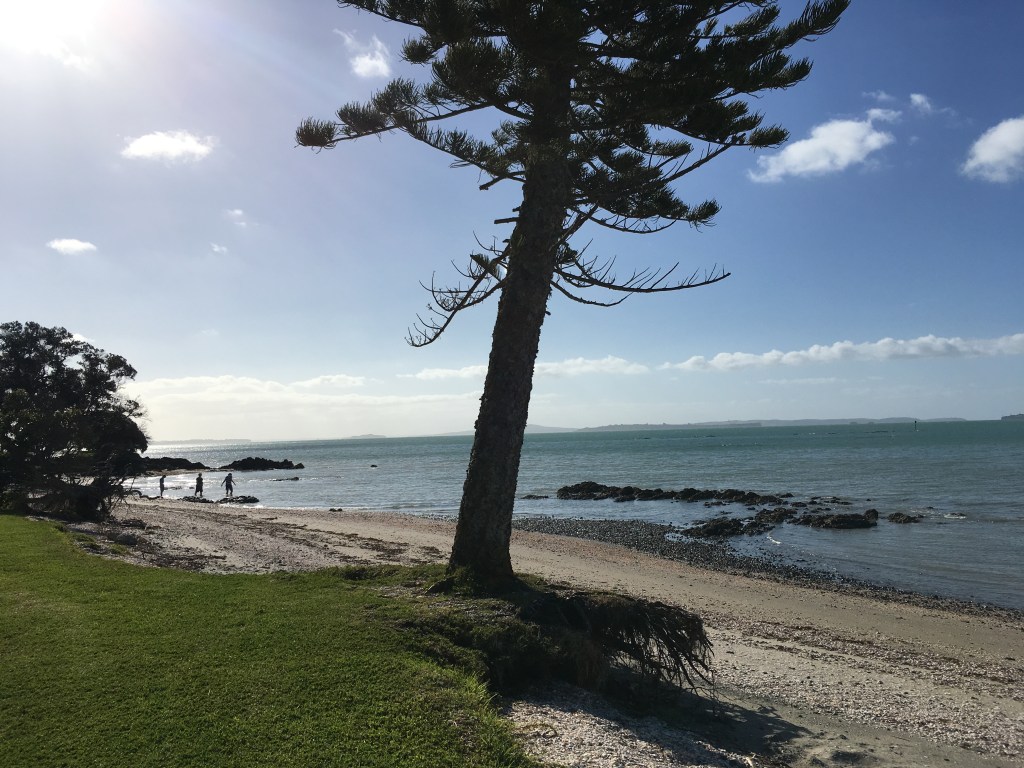
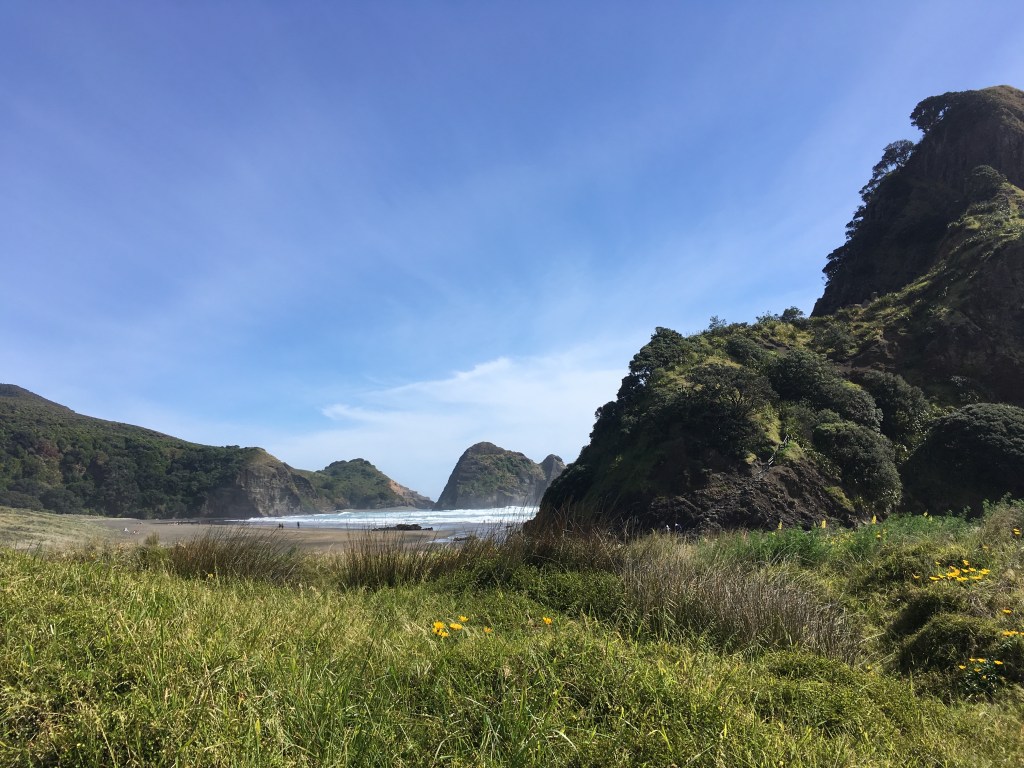
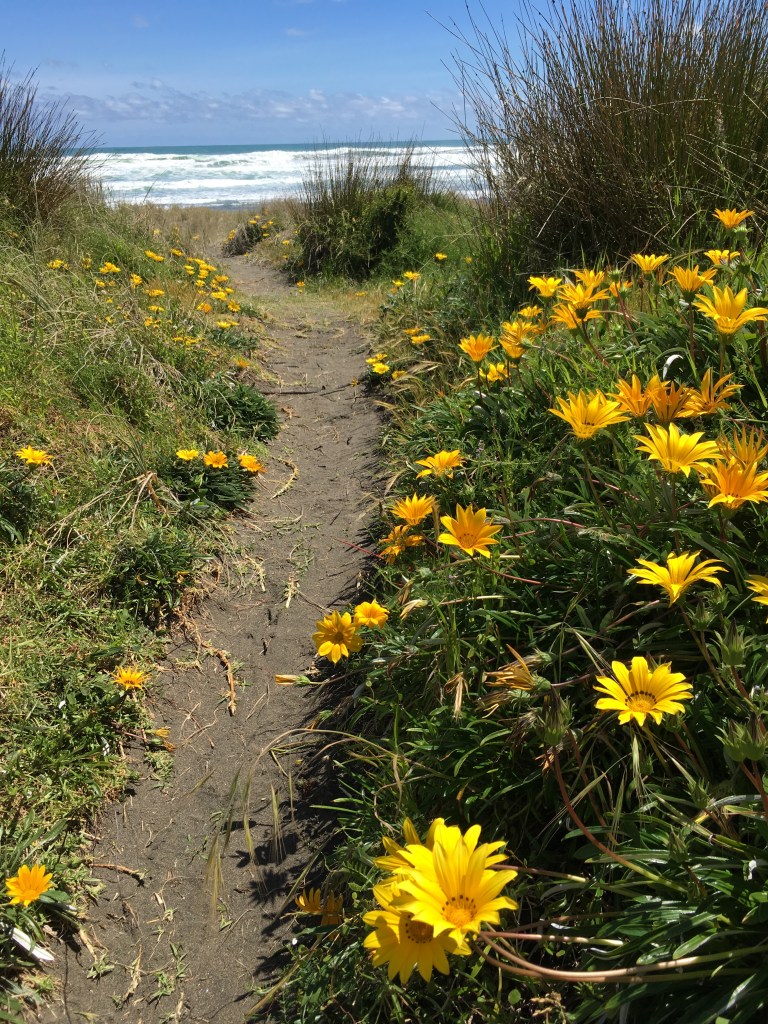
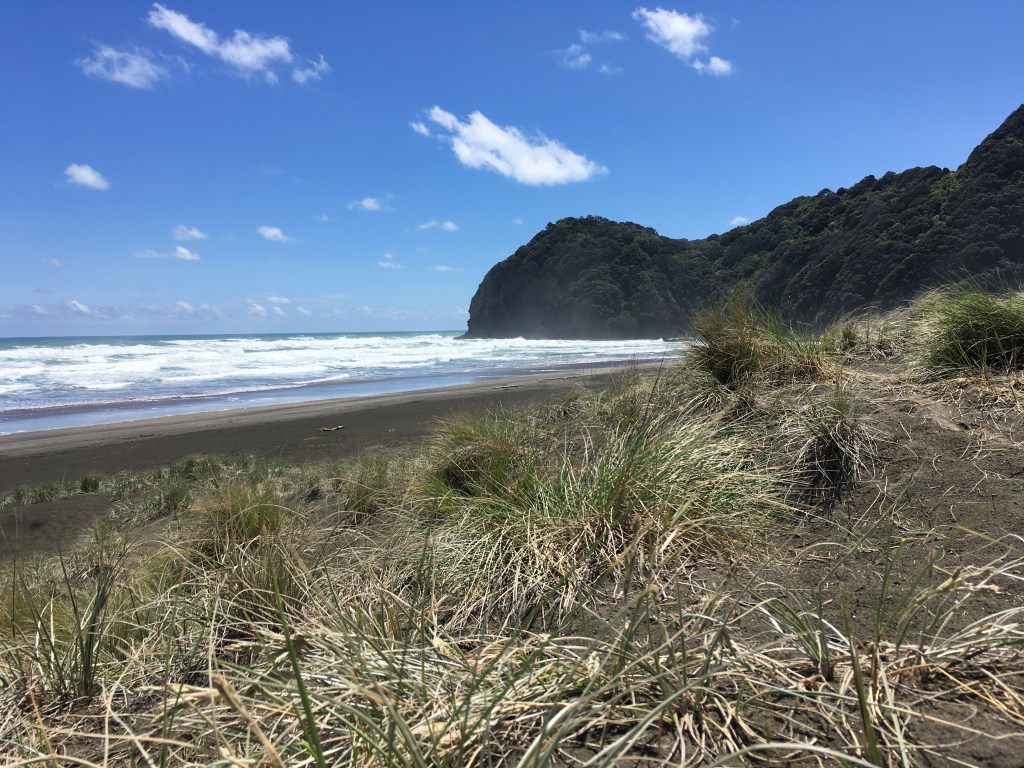
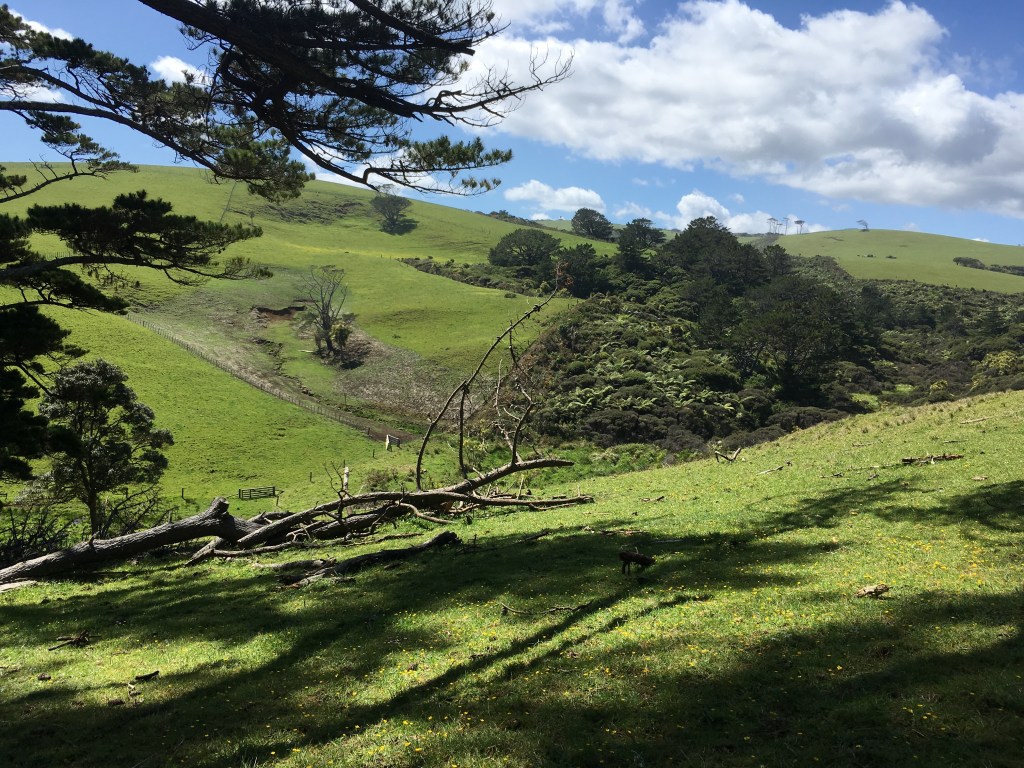
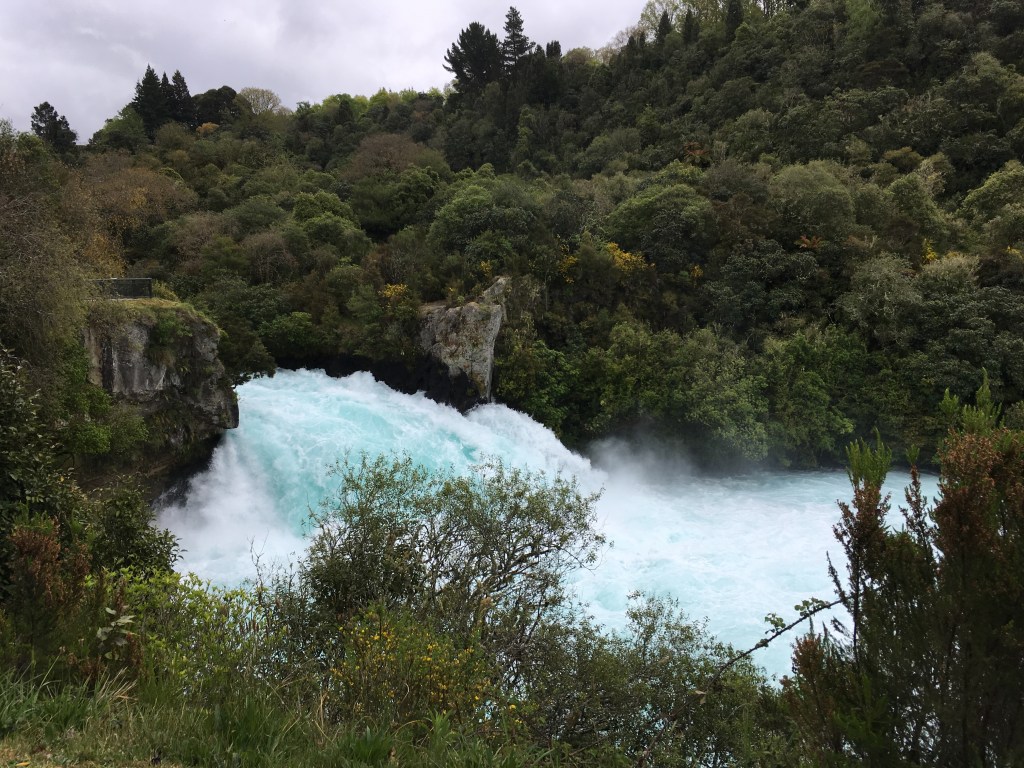
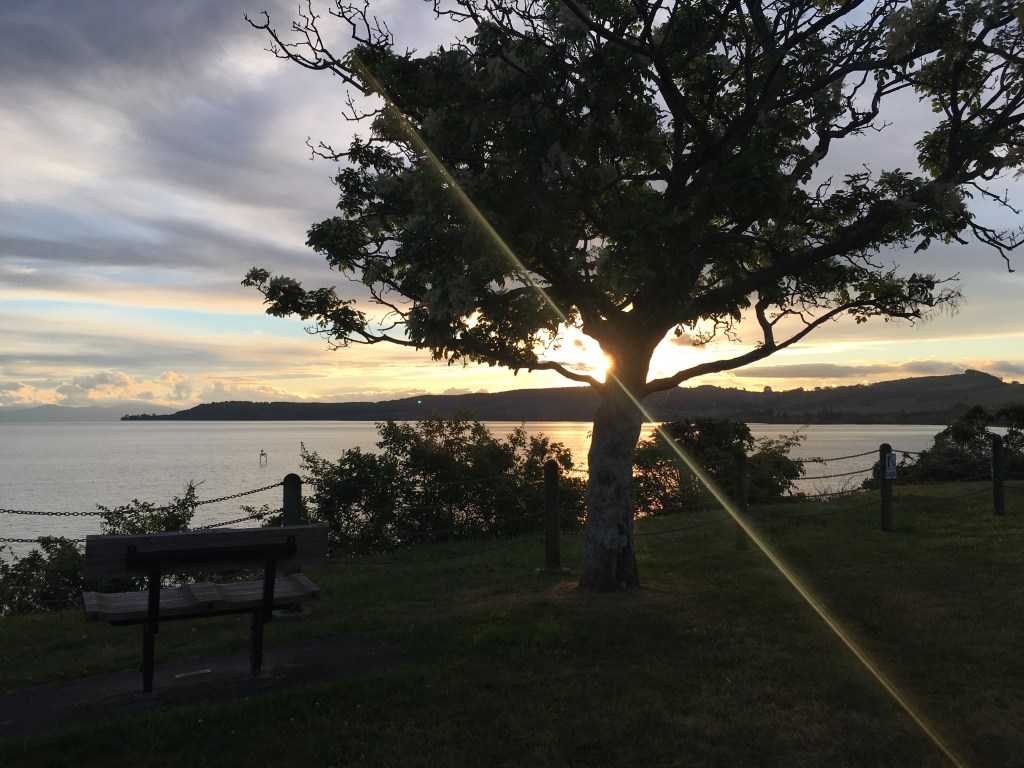
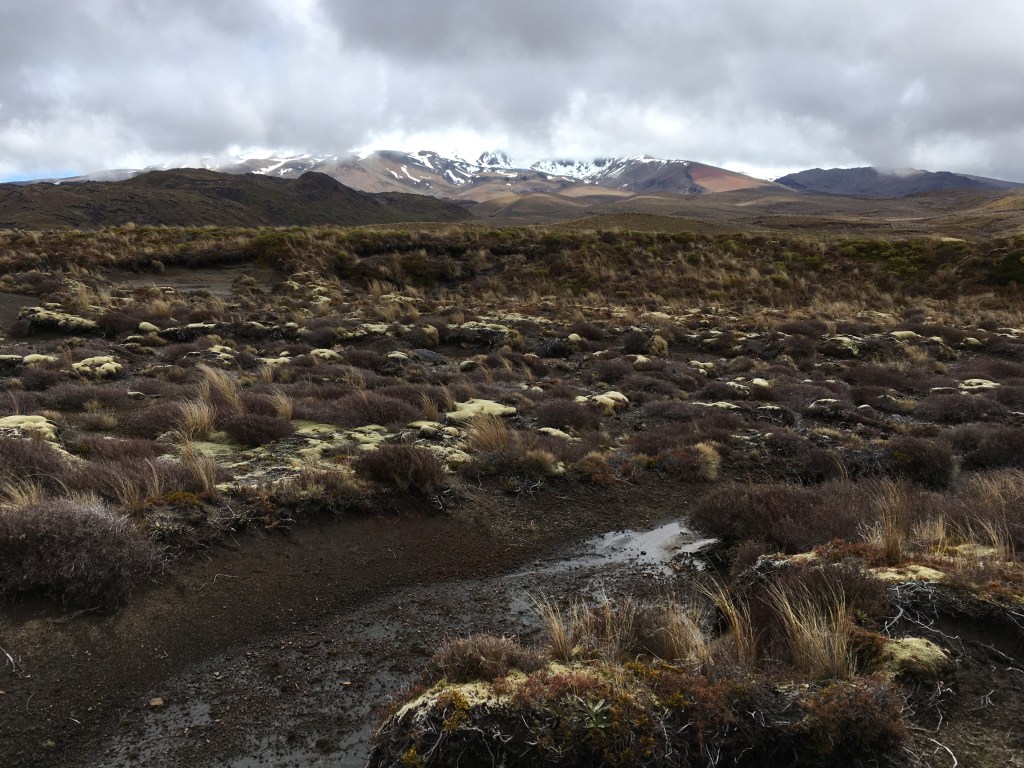


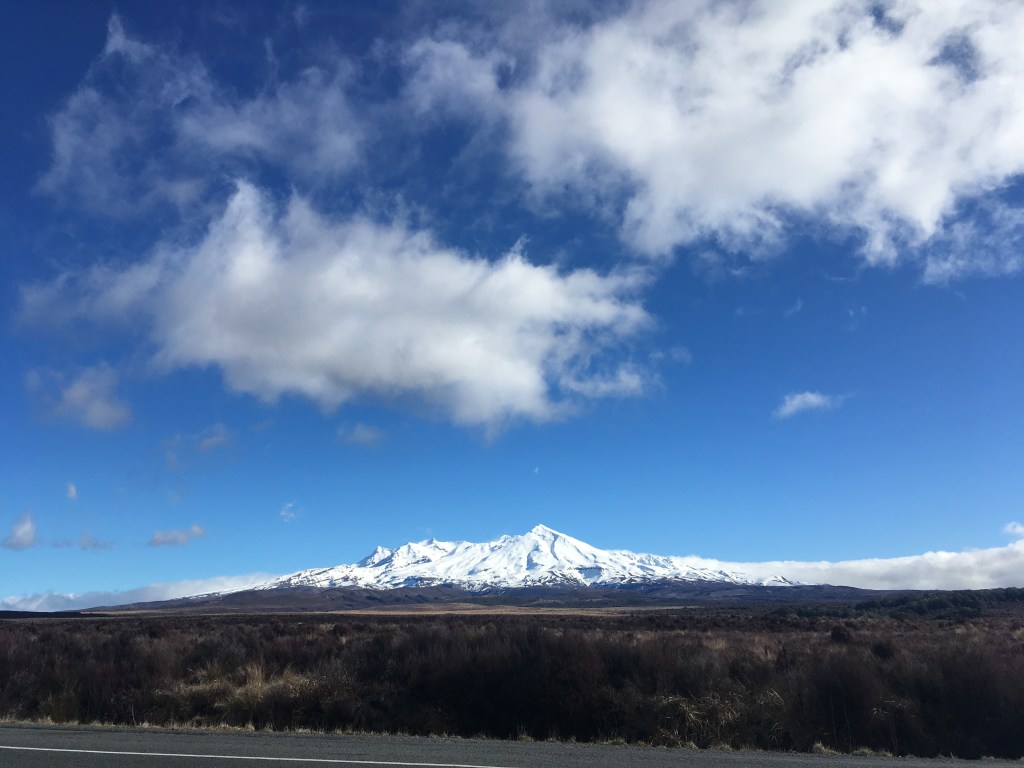
- It is impossible to imagine how things will be different, or can be better. Listing perceived pros and cons is really just false reassurance. The brain can only envisage things it has already been exposed to, figuratively or literally. It cannot conceive of the wealth of experiences that lie beyond.
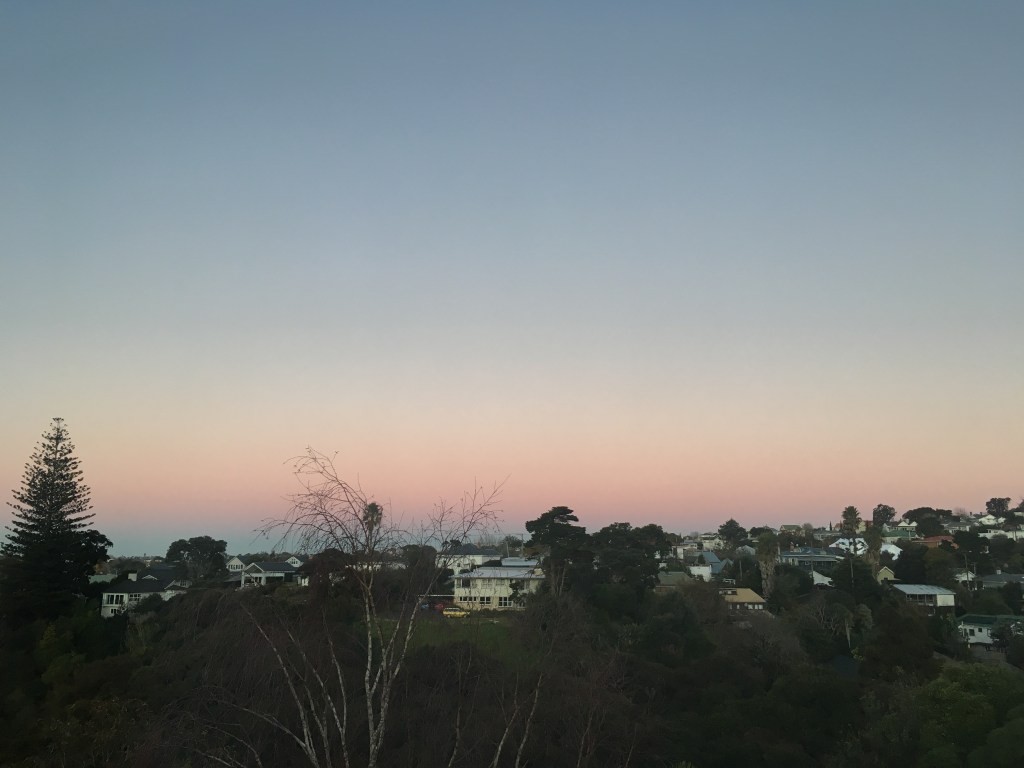
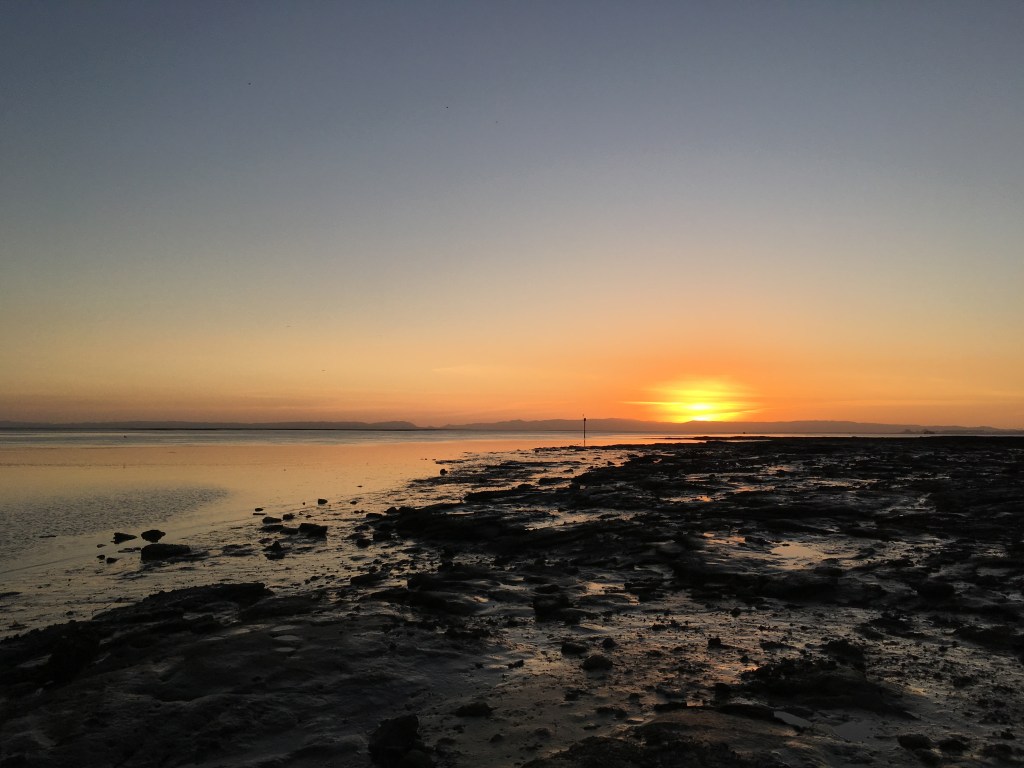

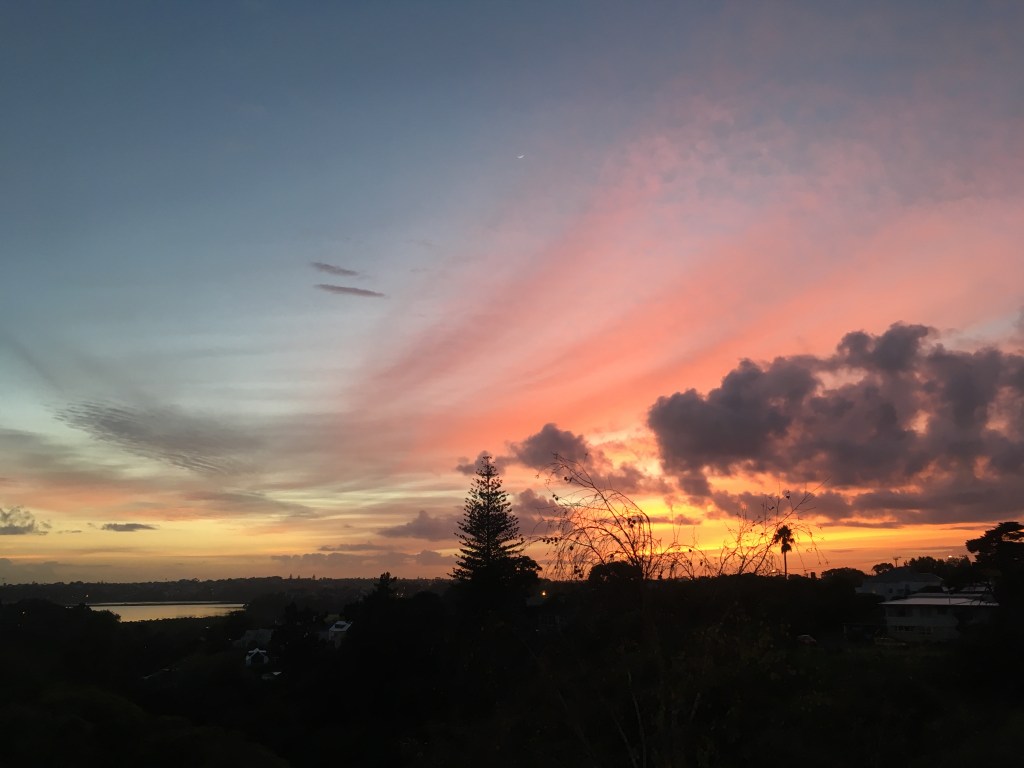
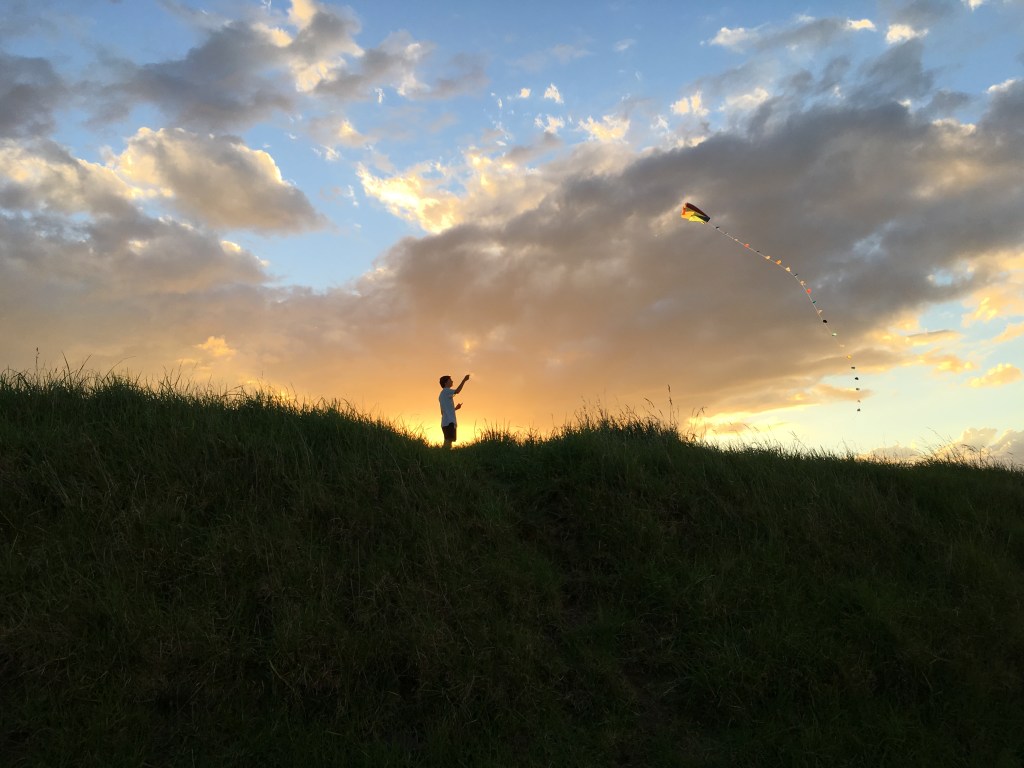

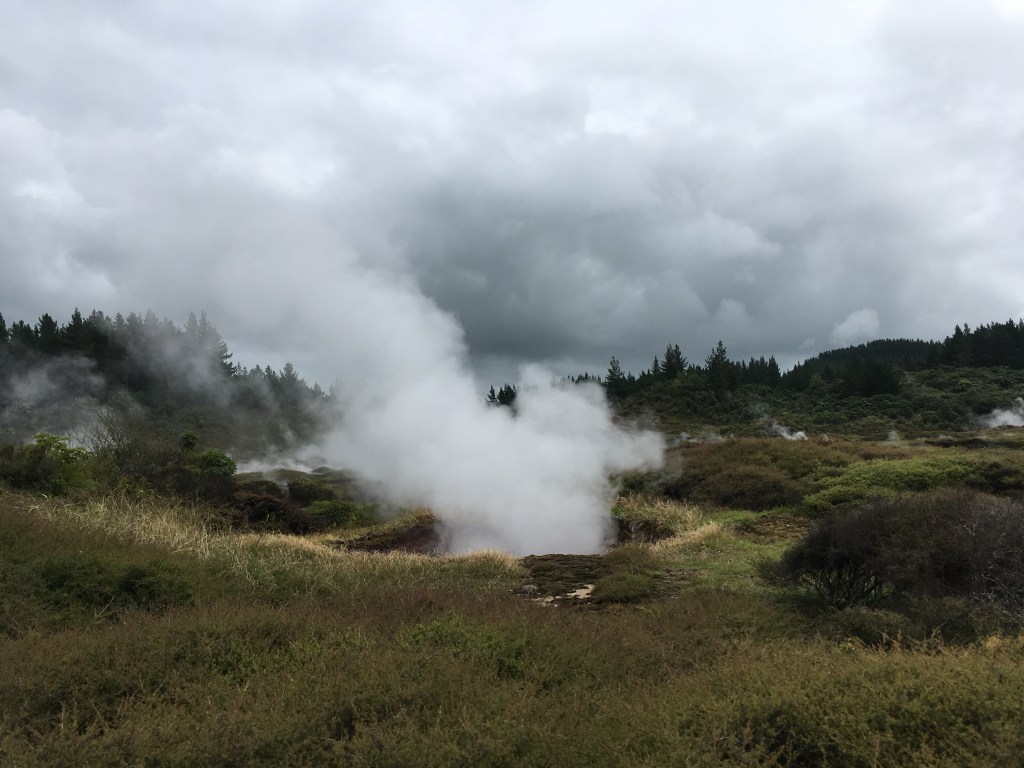

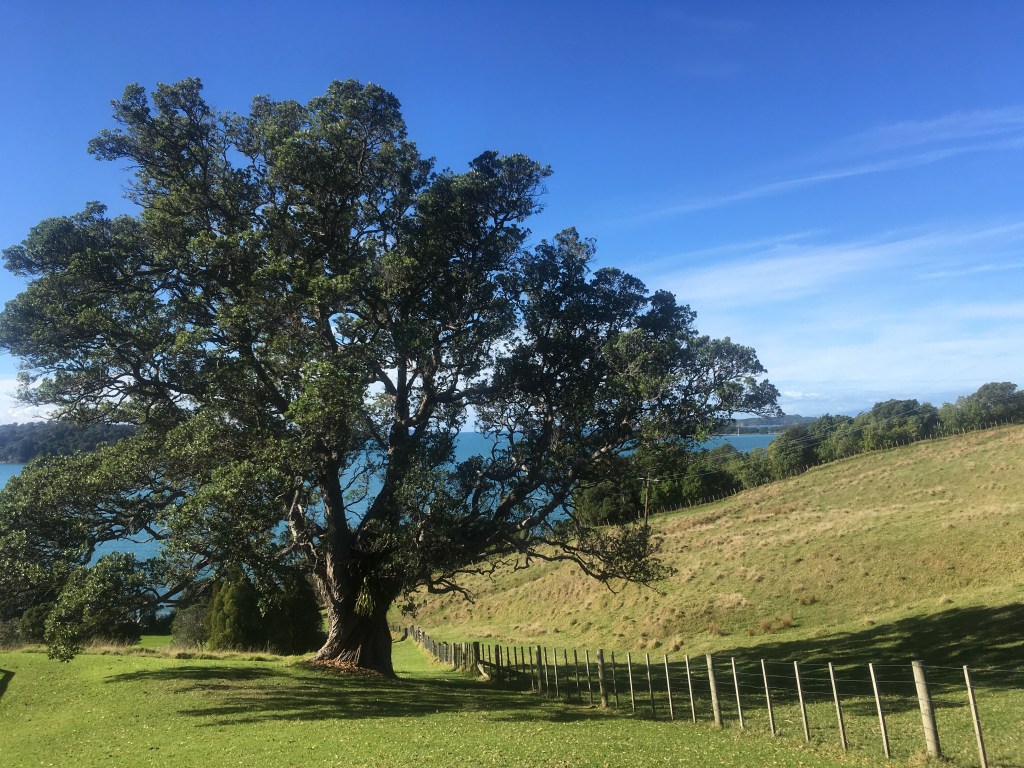
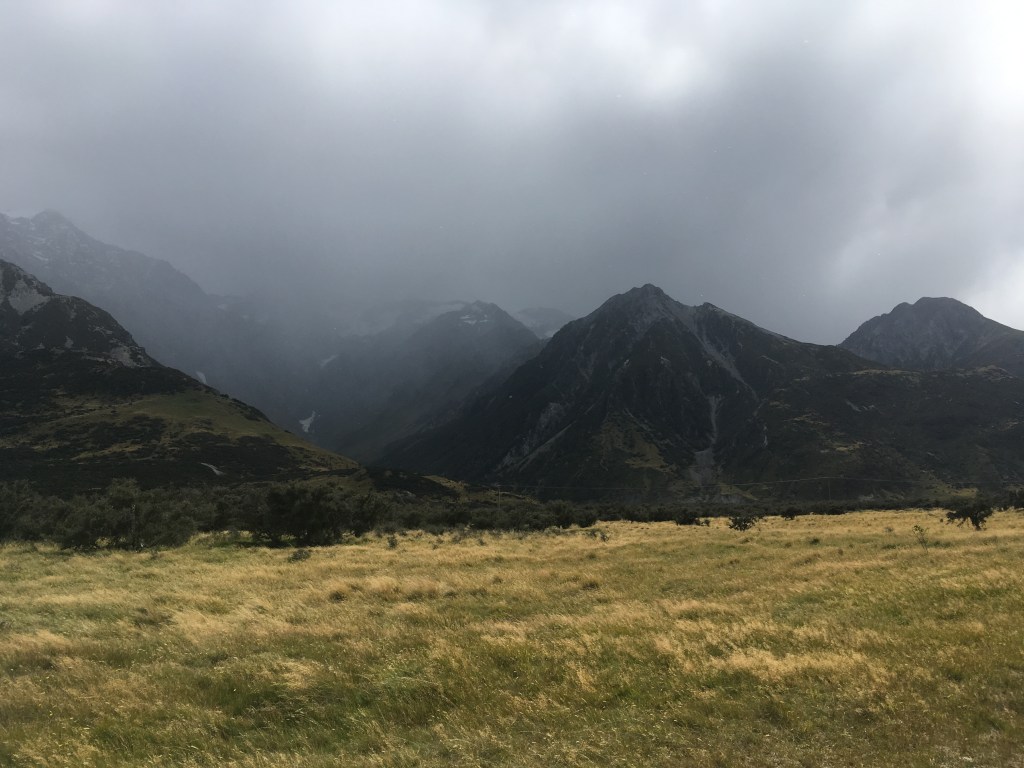
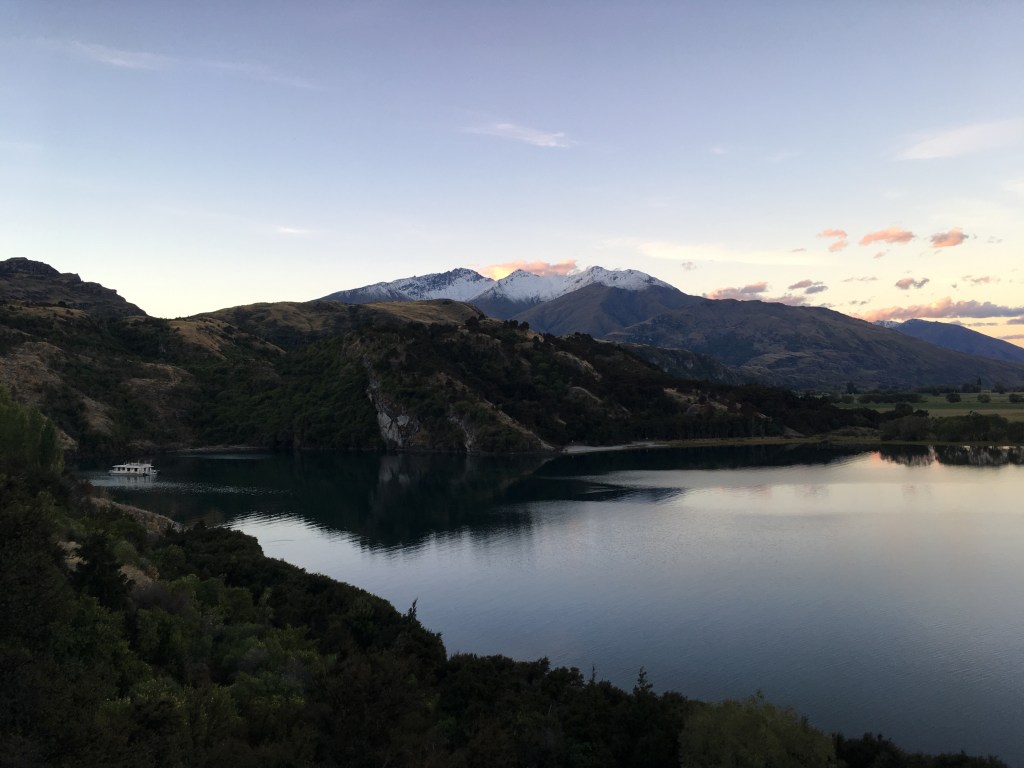
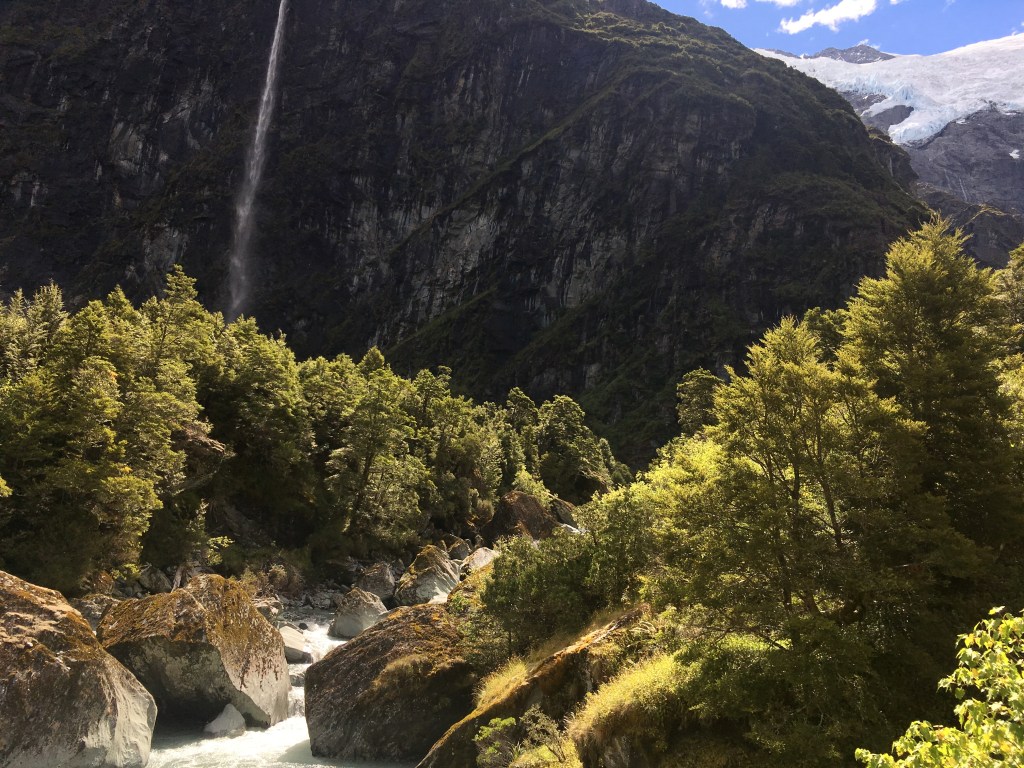
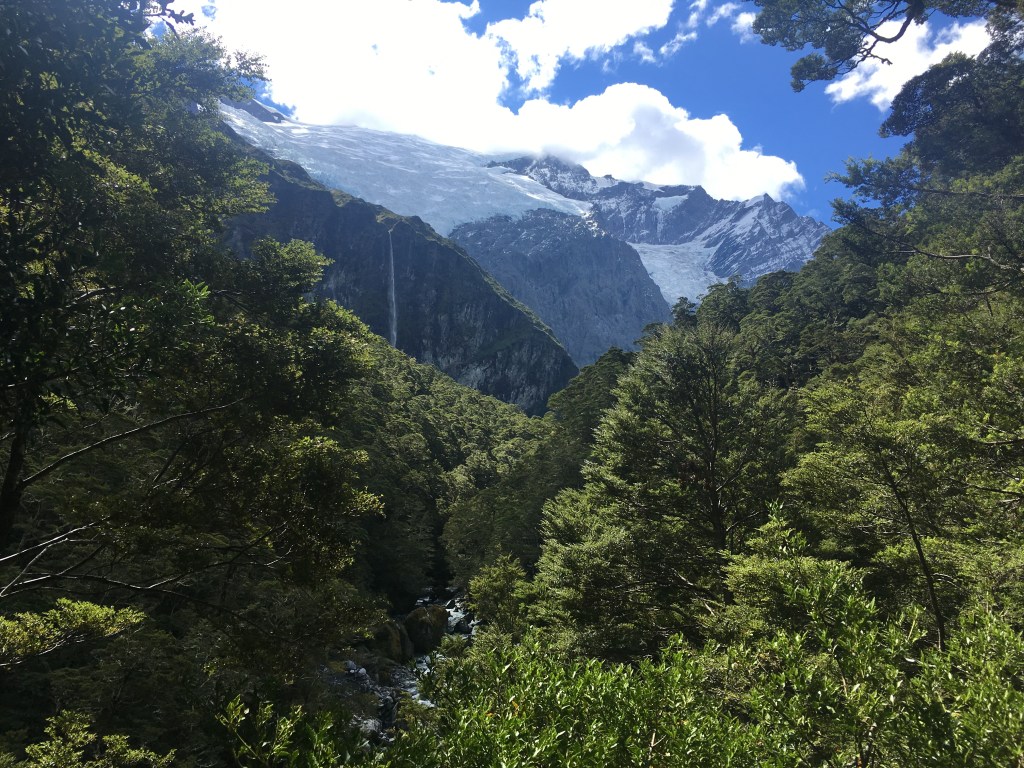
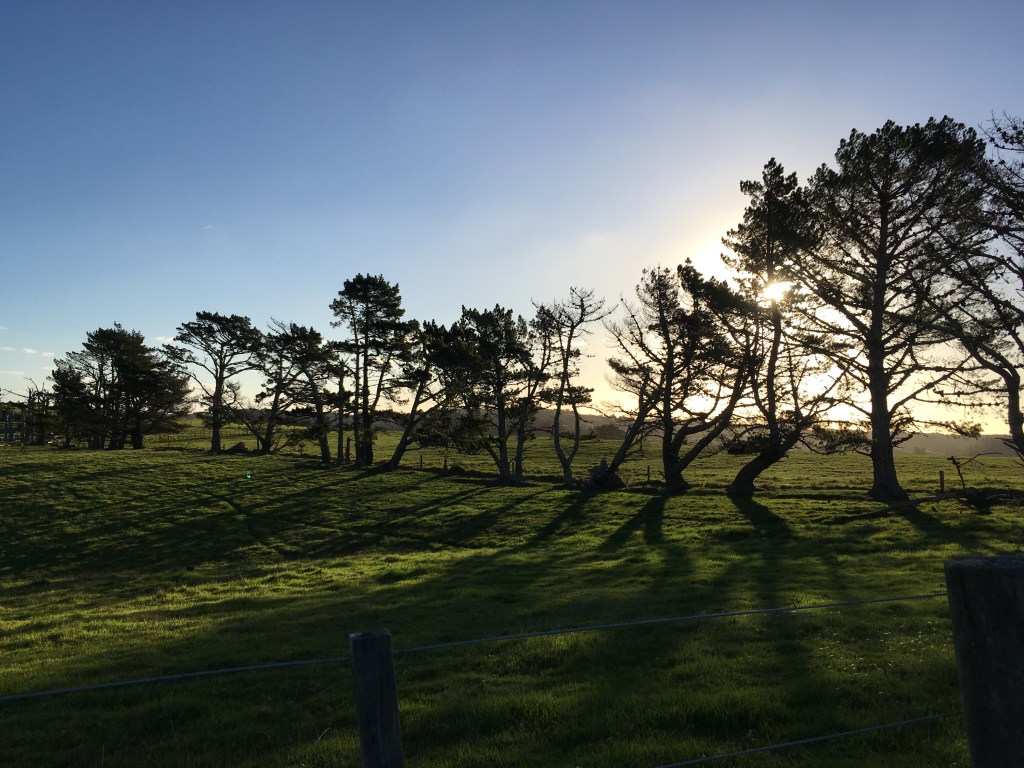
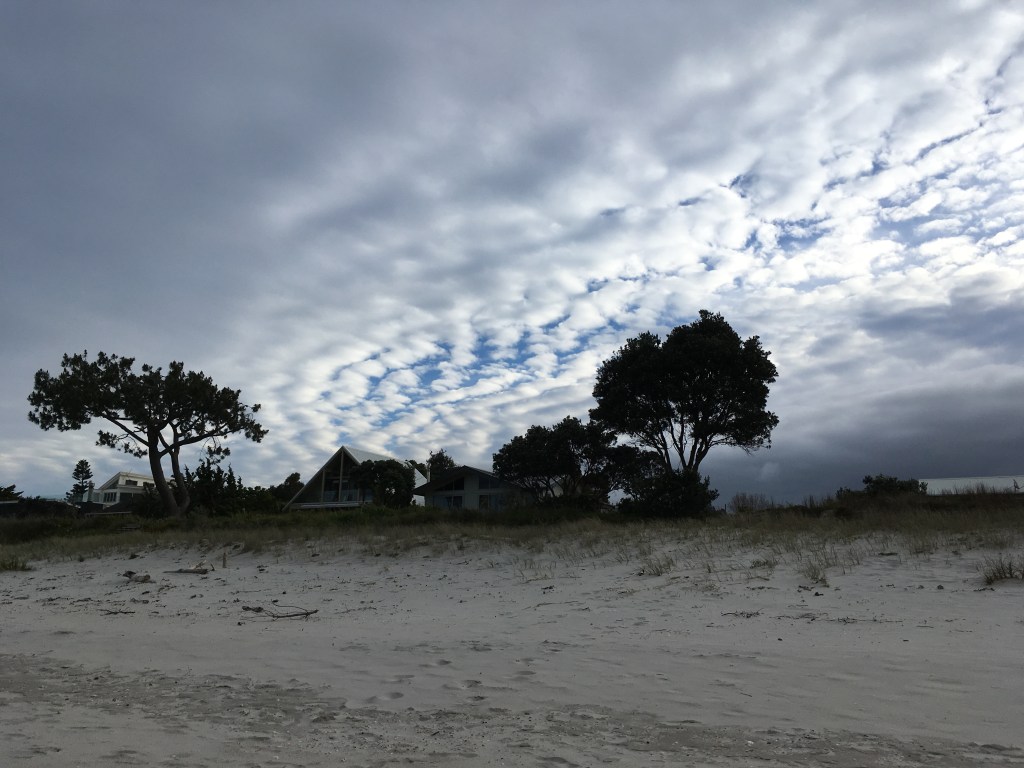
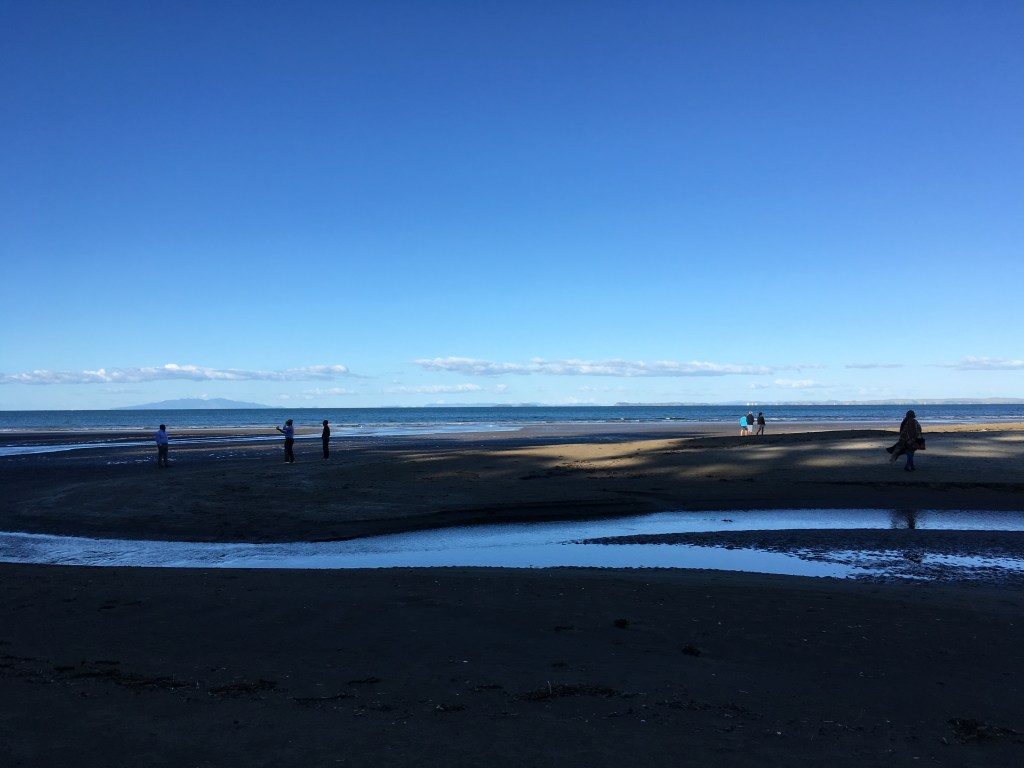
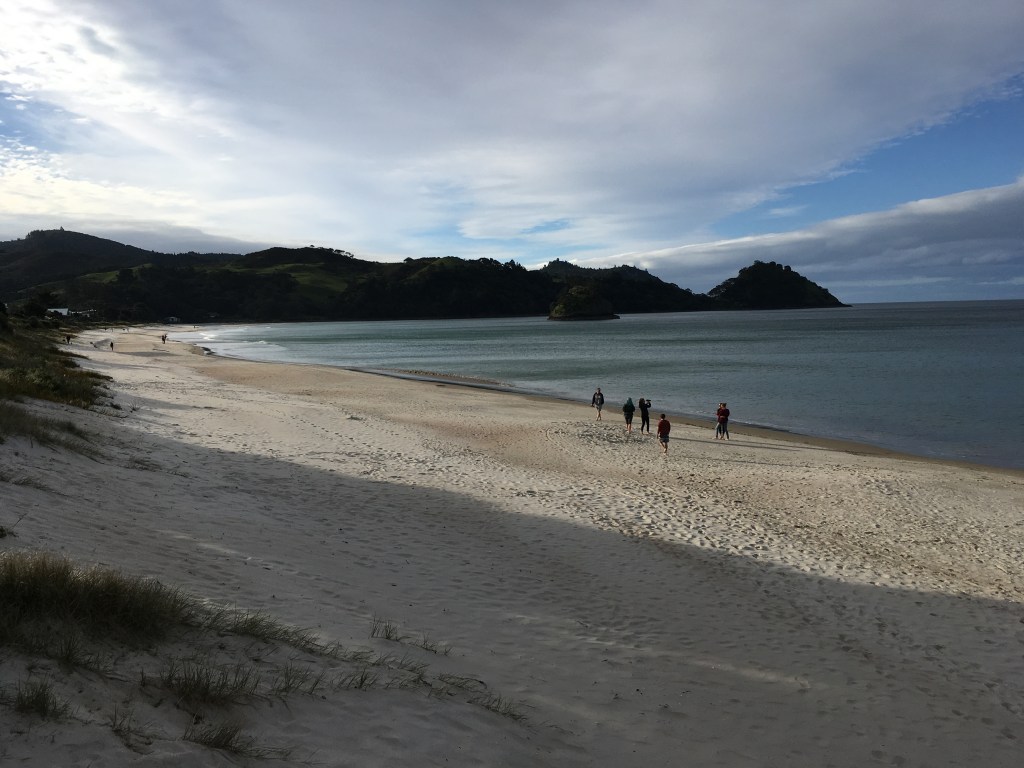
- Happiness can be as simple as the warmth of sunshine on your skin, blue skies and glorious days. Perhaps growing up in the sun and heat makes you feel its absence in a different way to those who only really experience it for short periods of the year. I had somehow lost touch with it during the course of my University years, when maybe it didn’t matter so much because of the long summers spent abroad. But I had forgotten how much happier it made me. So, so much happier.

out of everything, this is the single greatest thing that holds me back from returning to the UK
- Speaking of happiness. I had no idea how much of an effect two years of employment in the UK had had on my sense of self-worth, self-esteem. At a personal level, caught up in other people’s dissatisfaction and spite. At a nationwide level, starting my foundation training during the infamous contract reform and junior doctors’ strikes. I was very aware of this: pettiness and cynicism in the workplace, a general sense of anger, frustration, defeat. But at the time I genuinely didn’t feel that it impacted deeply on my day to day. If I hadn’t left, I doubt I would ever have realised. And yet out of everything, this is the single greatest thing that holds me back from returning to the UK. There have been times where I have felt lonely and isolated out here, overwhelmed with work, homesick and unhappy. Even then, I think of what I left behind and there is no draw. If I had not experienced a different system, if I had stayed behind in the UK and was reading these words today, I would for sure be thinking (as I did then), yeah it’s not ideal, but it’s not that bad. I suppose it’s the perspective. It’s the difference between being in a relationship with a partner who is non-committal, evasive and regularly puts you down, compared with a partner who is supportive and keen to invest in your relationship together. It is difficult for people from outside of the field to understand why doctors tolerate the conditions they do. But there is often no viable alternative. You put so much of yourself into training that you cannot bear to let it go. Often, you will have known no other employer, there is no sense of how things can be different. There is a great sense of camaraderie in the NHS, it is an incredible system that pulls together time and again to literally make miracles happen. But there was no sense that anyone would really look out for you if something bad happened. Like so many others, I read stories of doctors who made mistakes and were thrown to the wolves, and thought: there but by the grace of god go I. There was no sense that anyone within the administration thought of you as anything more than a column in a rota, something to be stretched as thin as possible in order to patch together a massively understaffed workplace. The system as it is currently set up requires you to move all over the country, commuting for hours, separated from your family, with near to no flexibility. When you work in very suboptimal conditions, when you go above and beyond to offer the best service that you can, when you come home after work and study long unpaid hours for expensive exams, in the face of an administrative system that could scarcely be less supportive (- will often refuse to grant you leave for said exams) and a government that derides you, it is difficult to look within and feel any sense of pride or self-respect. And actually I’ve discovered that for me that’s a very important thing to have.
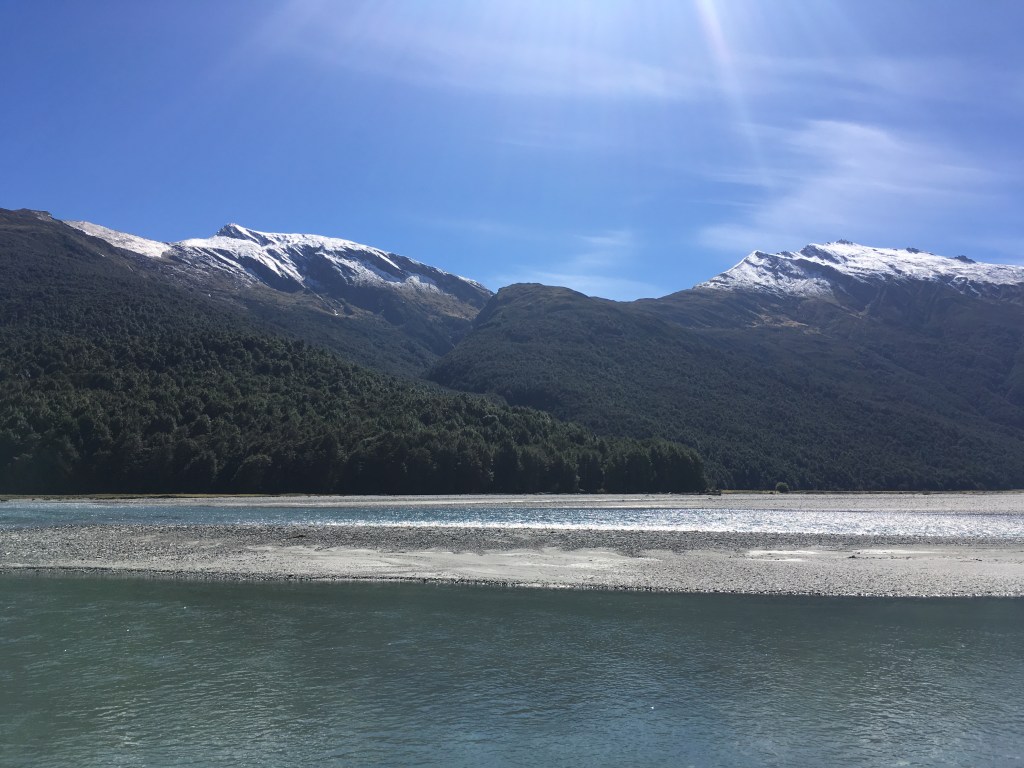
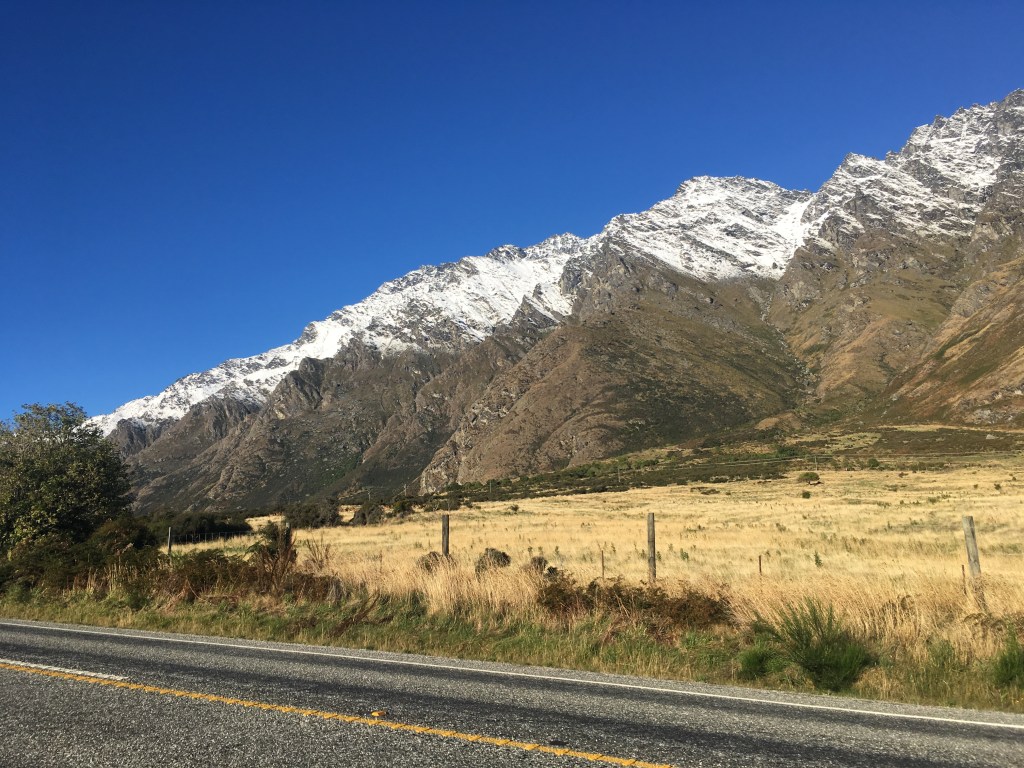


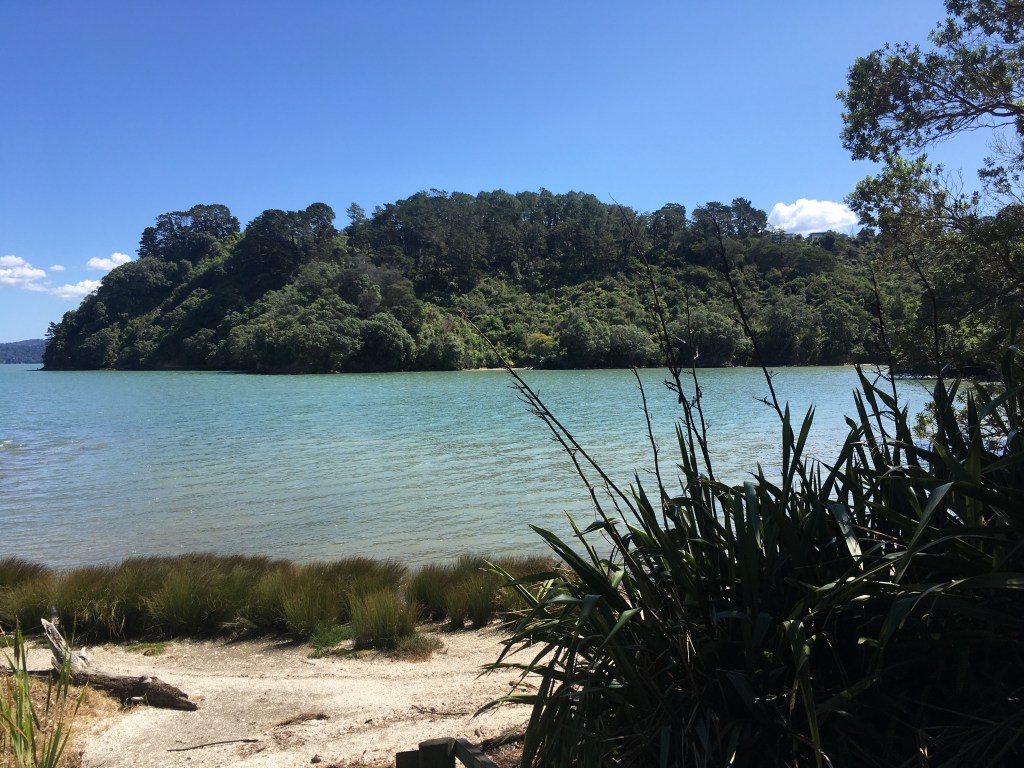
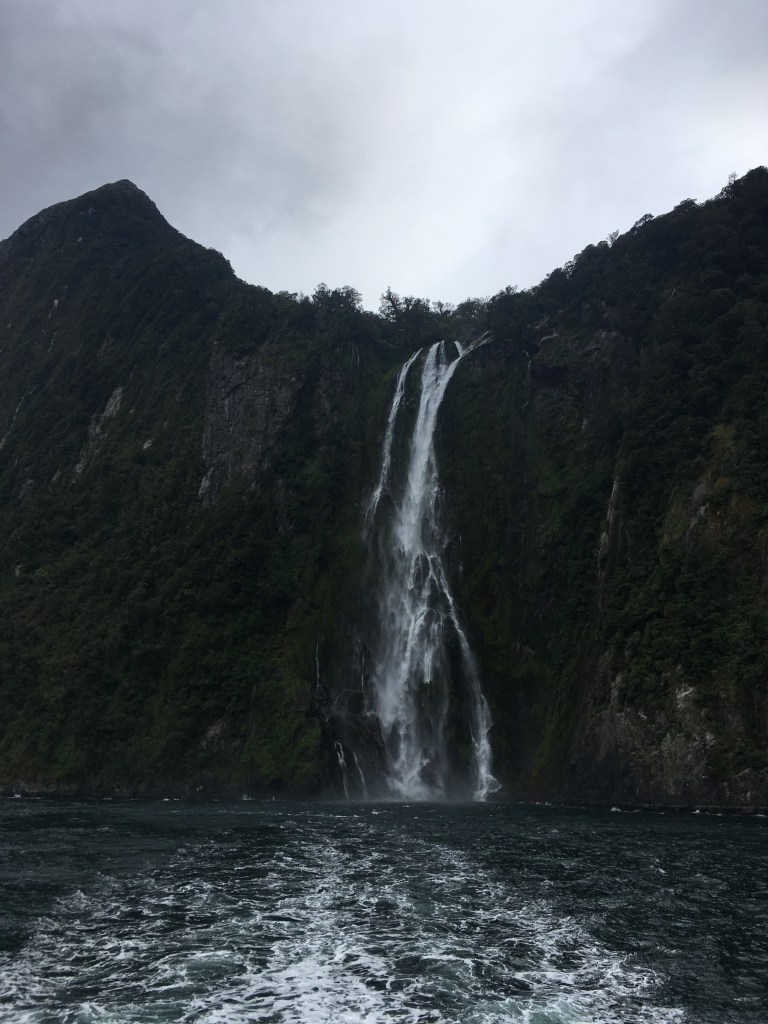
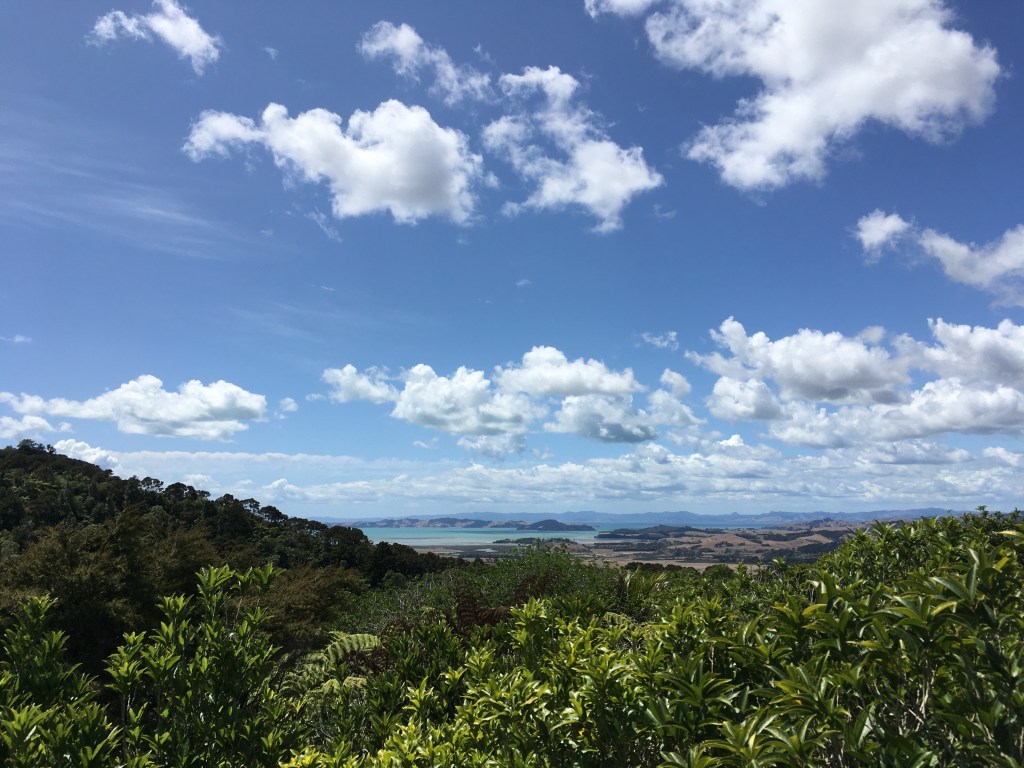
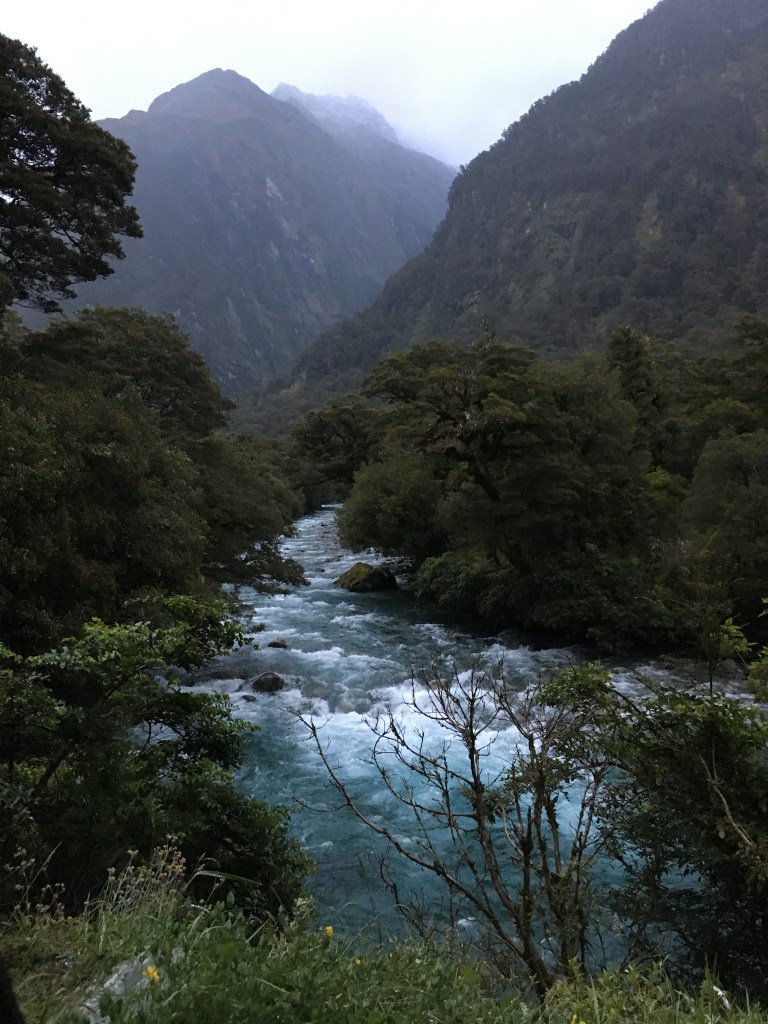

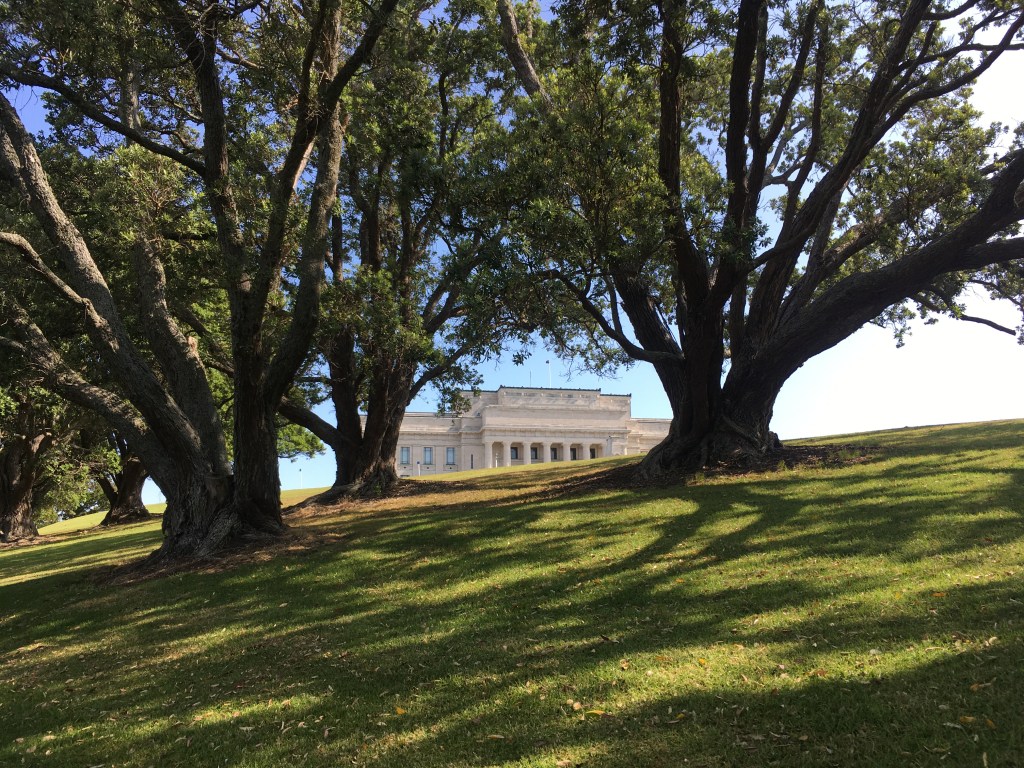
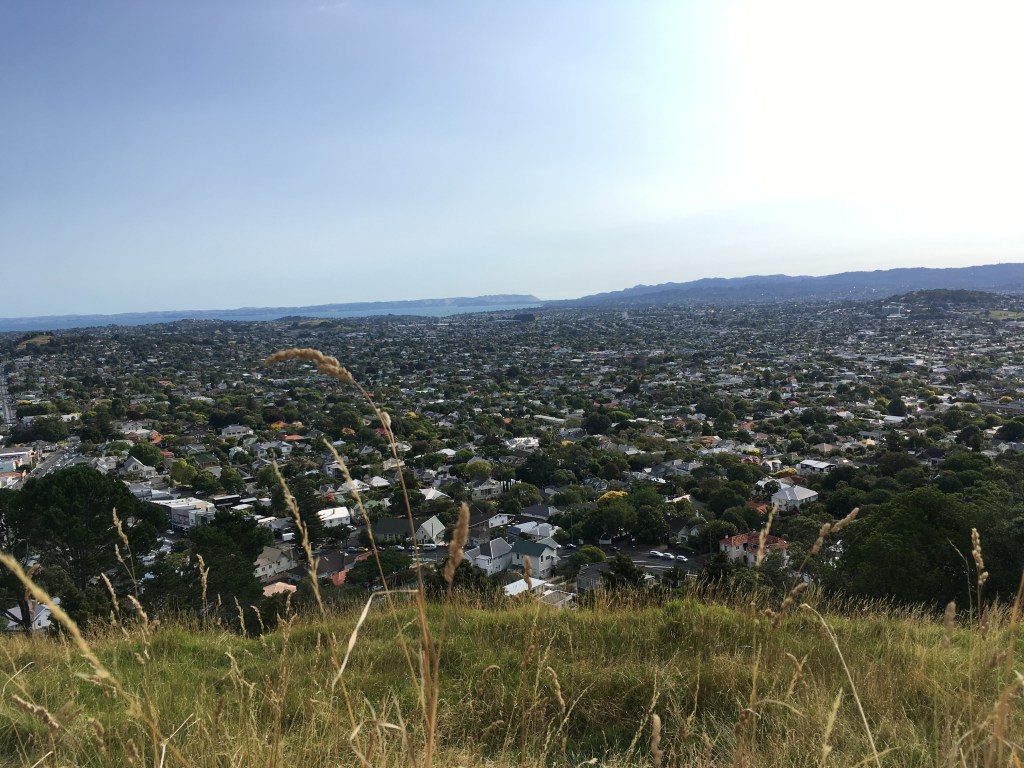

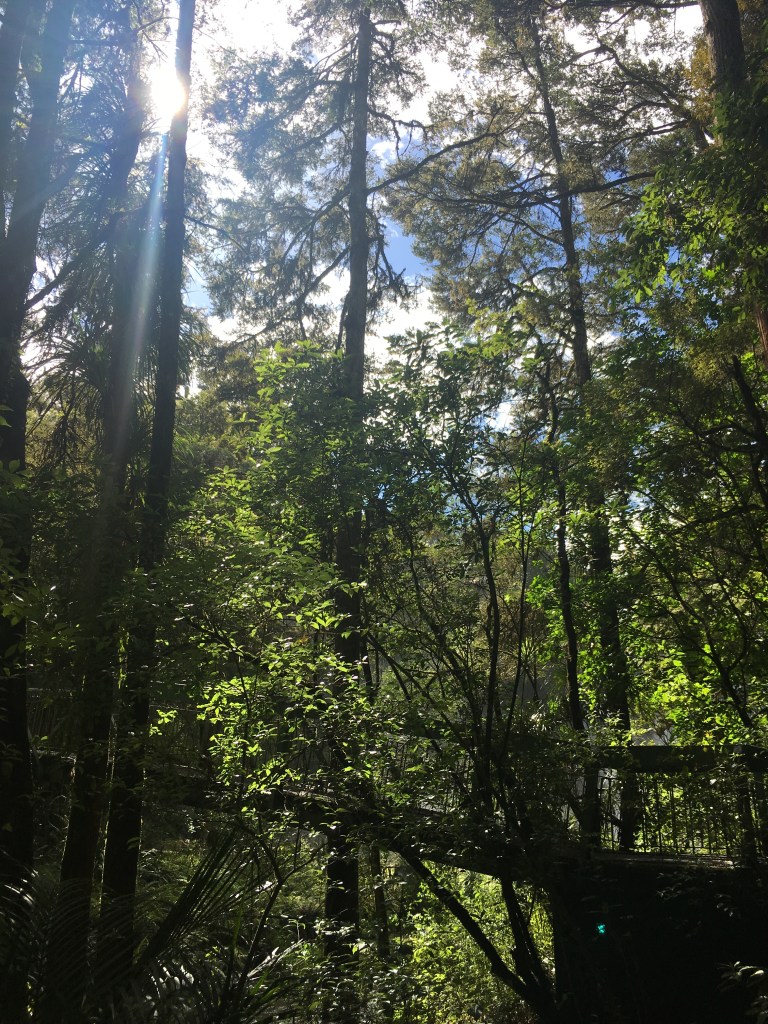
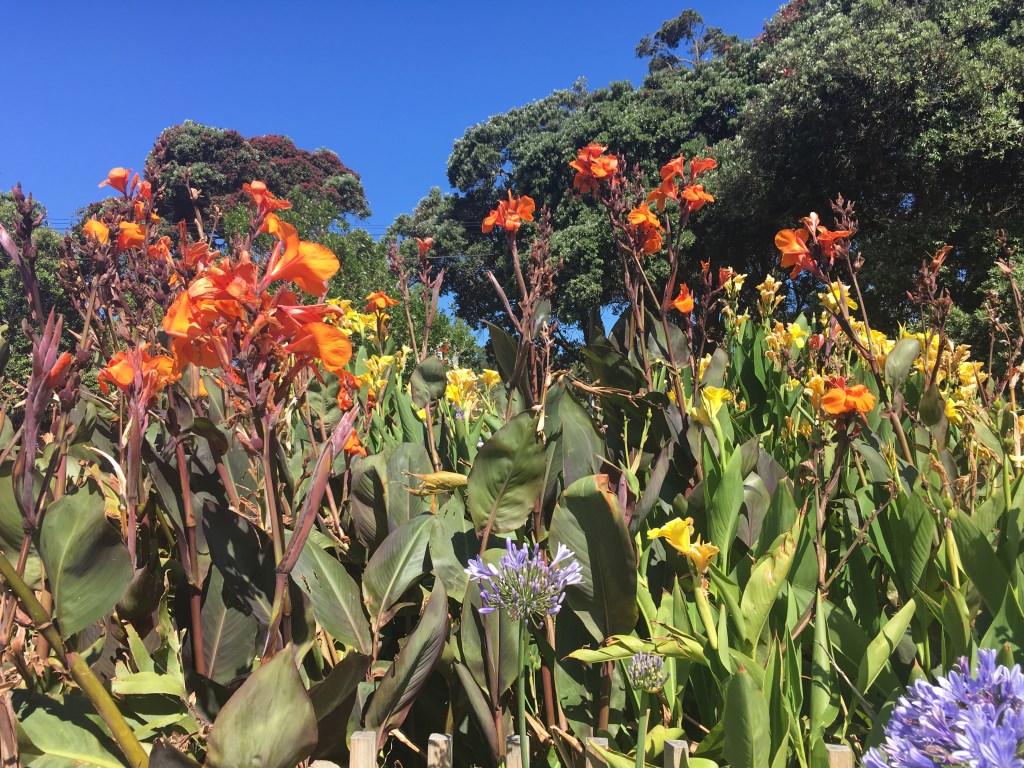
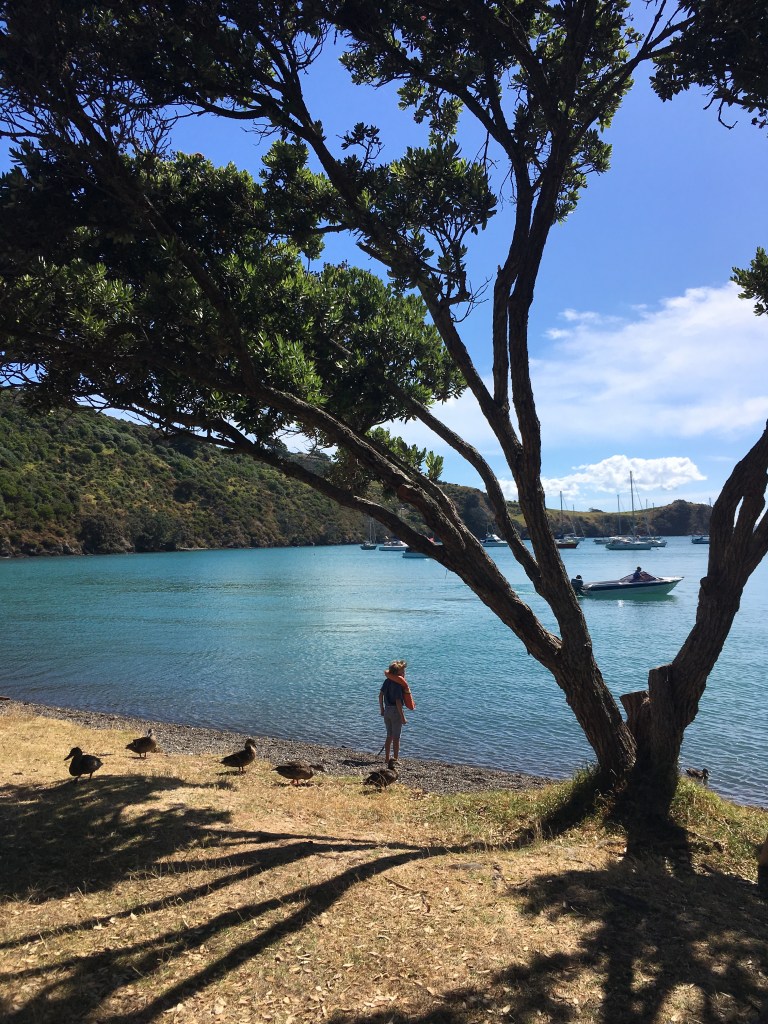
- Following on from this: you will work longer hours than back home. Which can be numbing and physically exhausting, but at least it’s not soul-destroying. It’s not about the hours, it was never about the hours, it’s about what you get out of them, what you get in return. If people recognise the work you put in and thank you for it, if they in turn go out of their way to help you, to train you – that’s something invaluable. That’s the reason I want to train here, the reason I am so much happier at work.

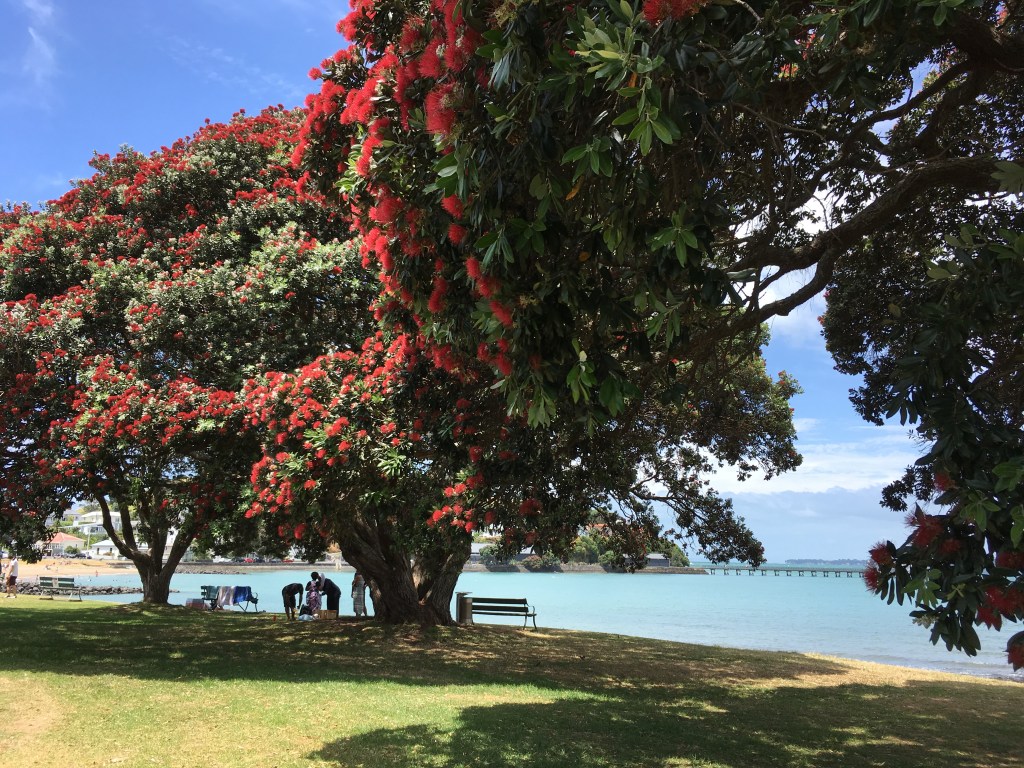
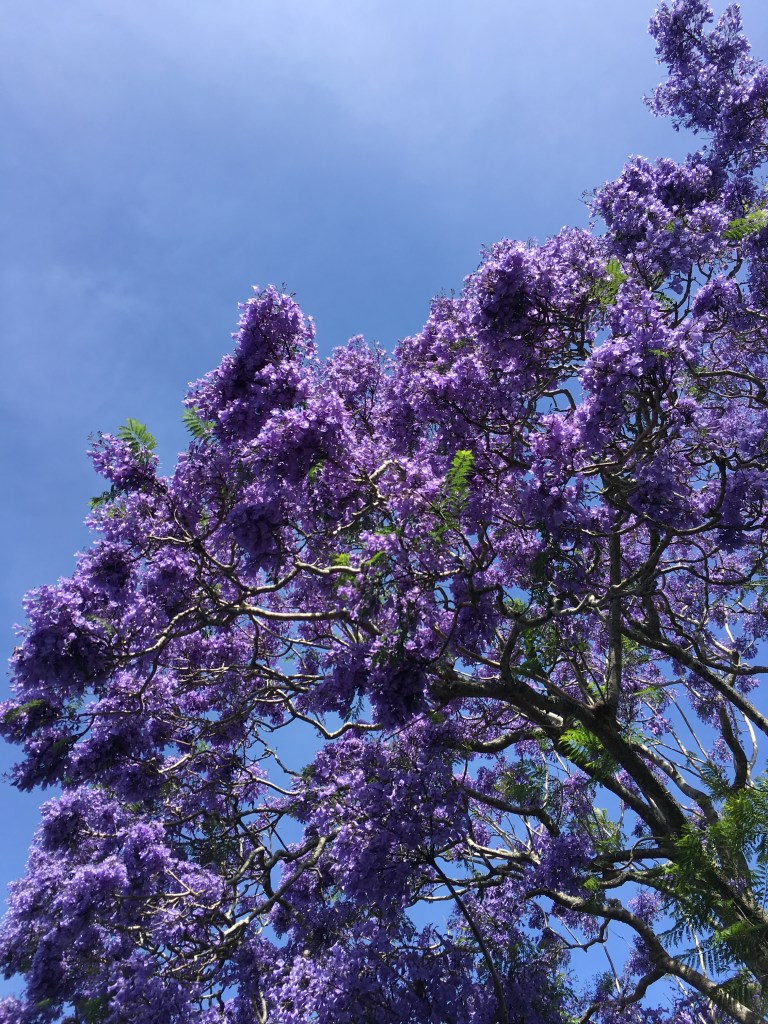
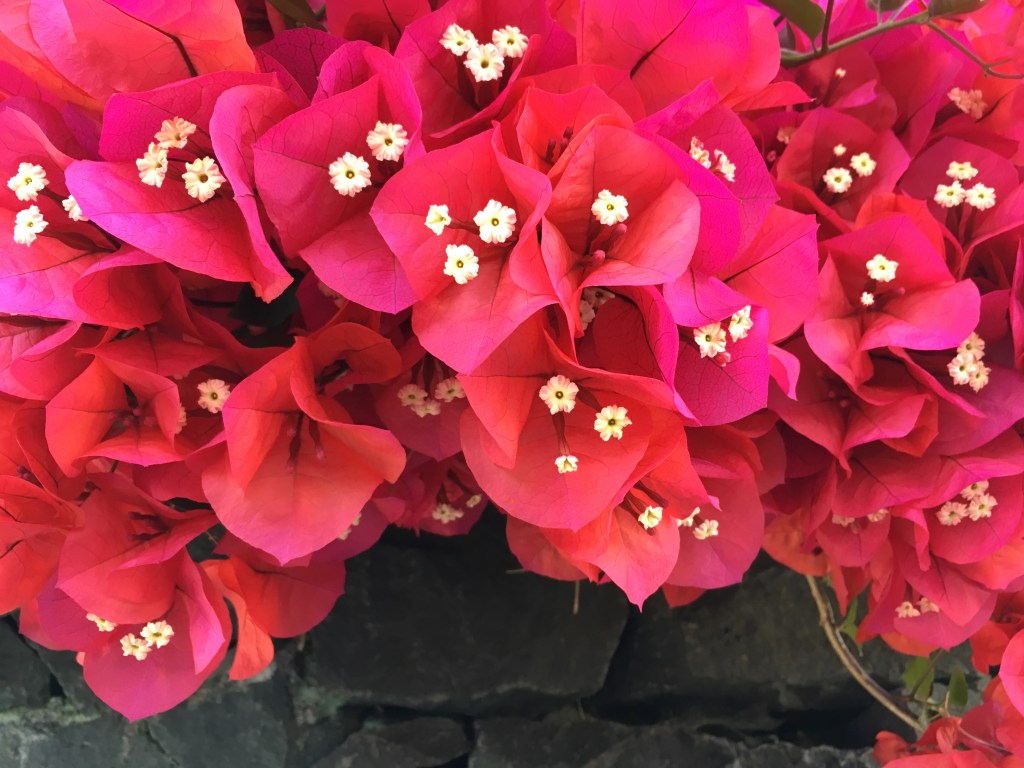
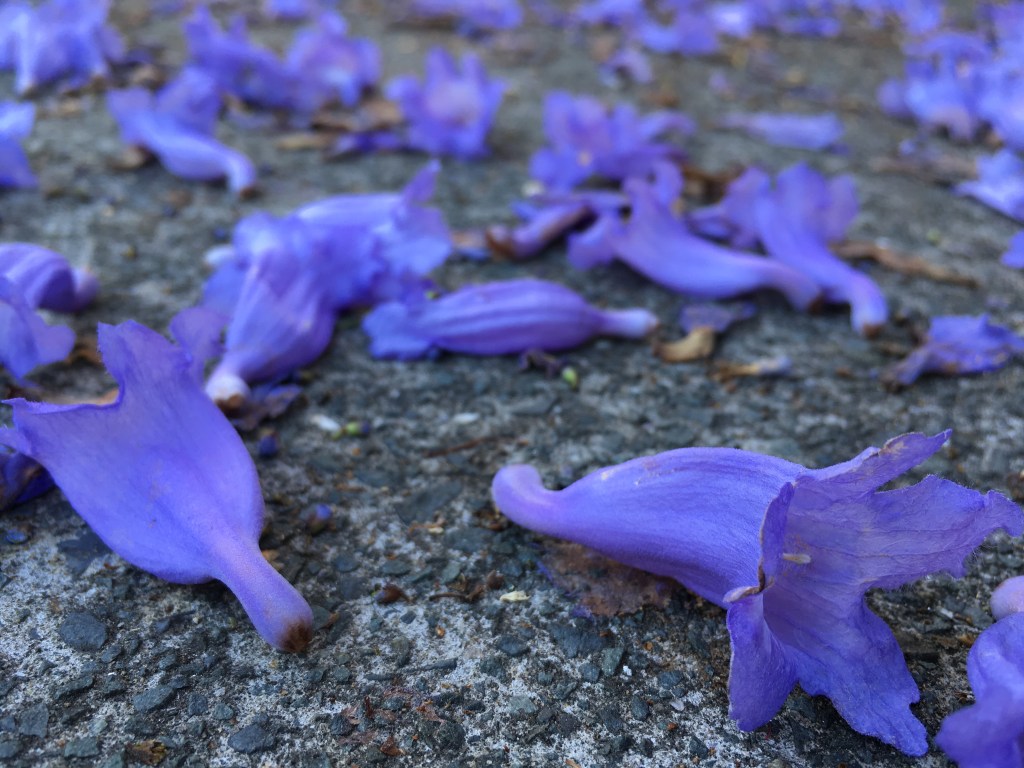
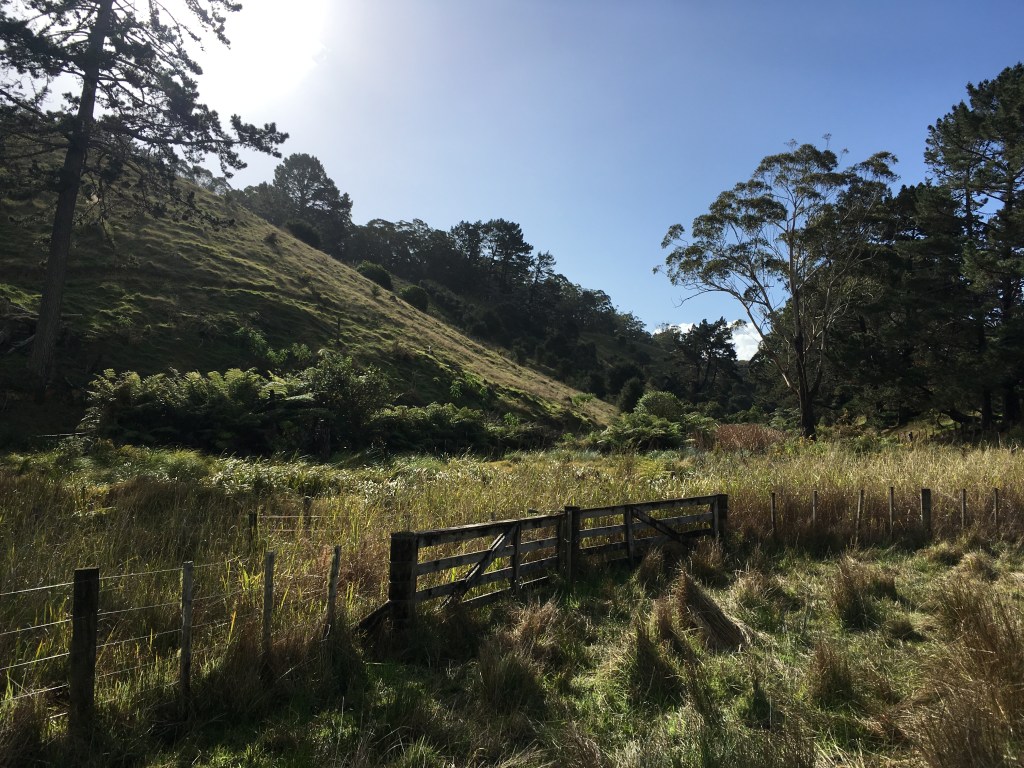
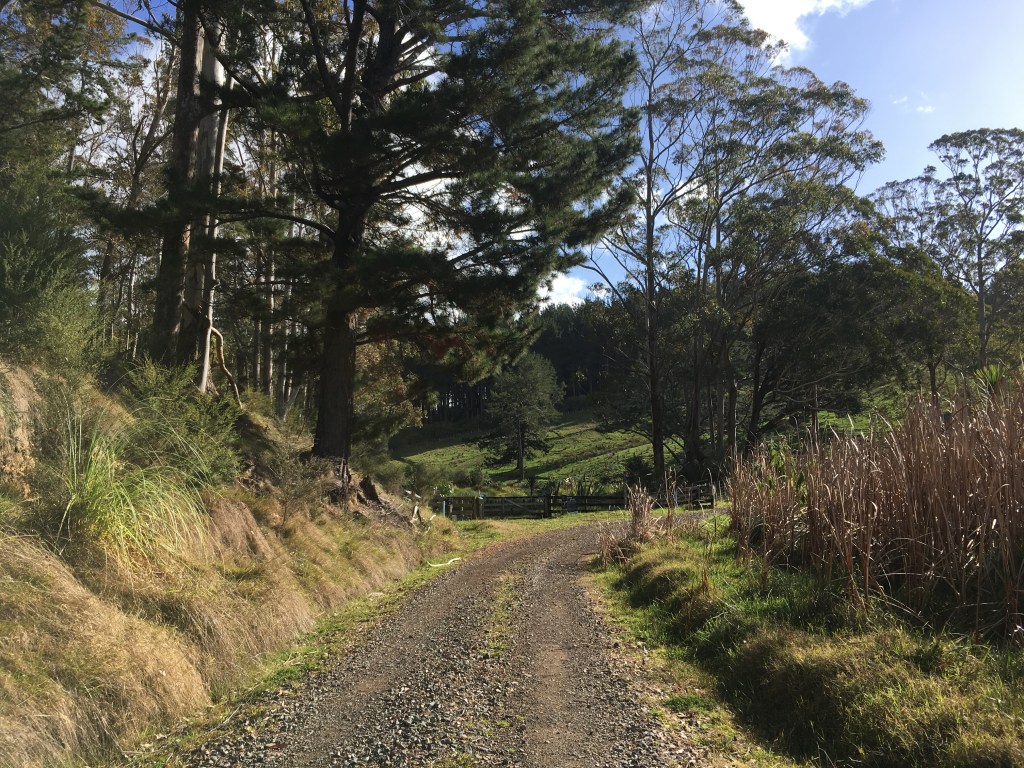
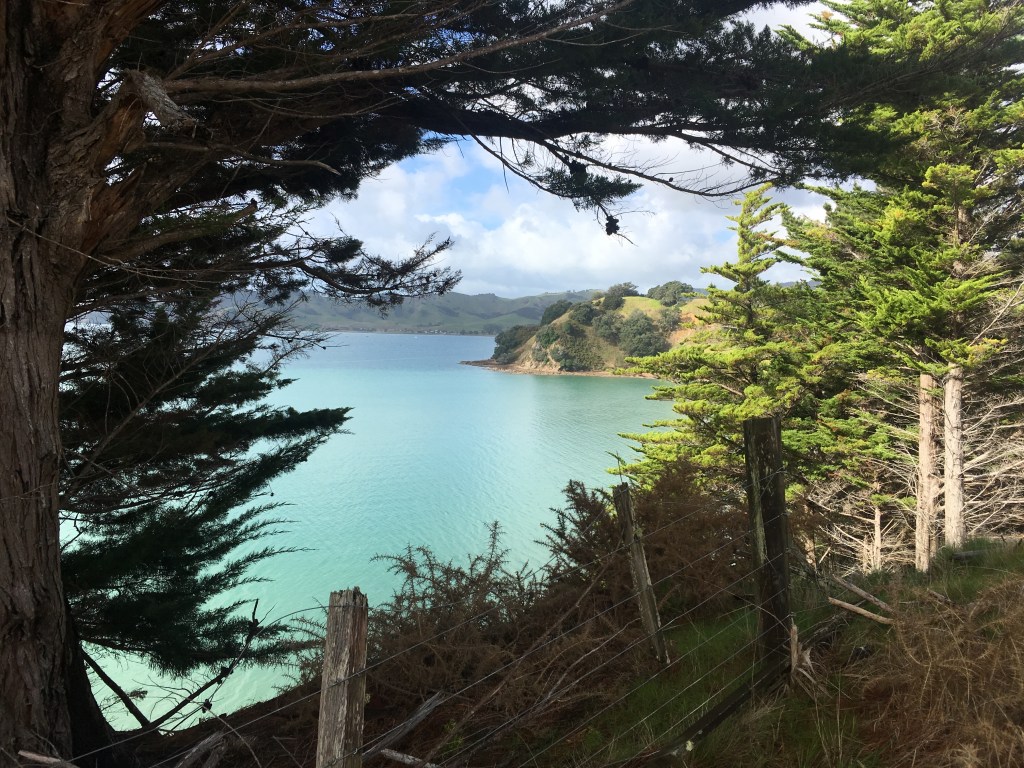
- It’s so easy to go through life with your eyes closed, simply going through the motions on repeat, day in day out. The alarm rings, you head to work, when you get home you fall easily into your evening routine. When you step off the treadmill you’re able to take stock and decide what you actively want to keep in your life, what you want to change, reintroduce. And being on the other side of the world actually allows you even more time and space to do this, because the absence of your friends and family, the absence of responsibilities and commitments, really leaves you on your own. I spent a lot of time at the beginning actively resisting throwing myself into things that I felt I *should* do (eg. signing up and preparing for an exam, committing to projects that might improve a CV), in order to really examine what it was that I *wanted* to do. Which actually was: lying outside in the grass with friends drinking wine and eating blue cheese, reading avidly again in a way that I hadn’t done for years, taking myself on adventures – becoming an explorer again, investing time in addressing and healing unhealthy thought and eating patterns, making time to write again, making time to dream again.
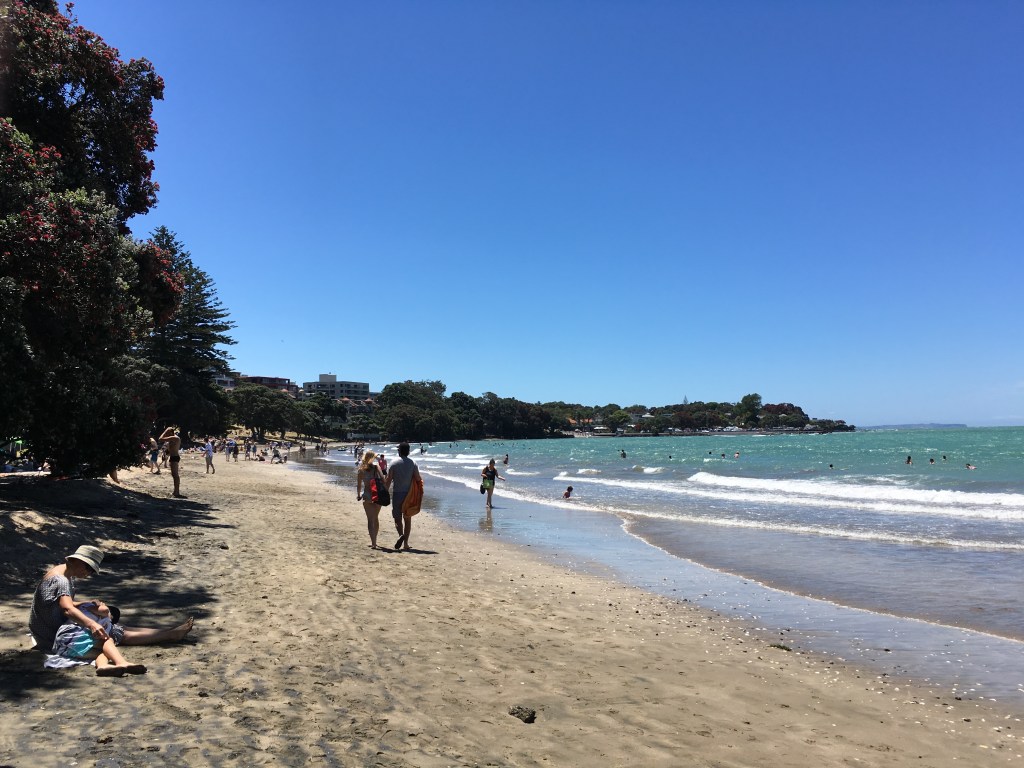
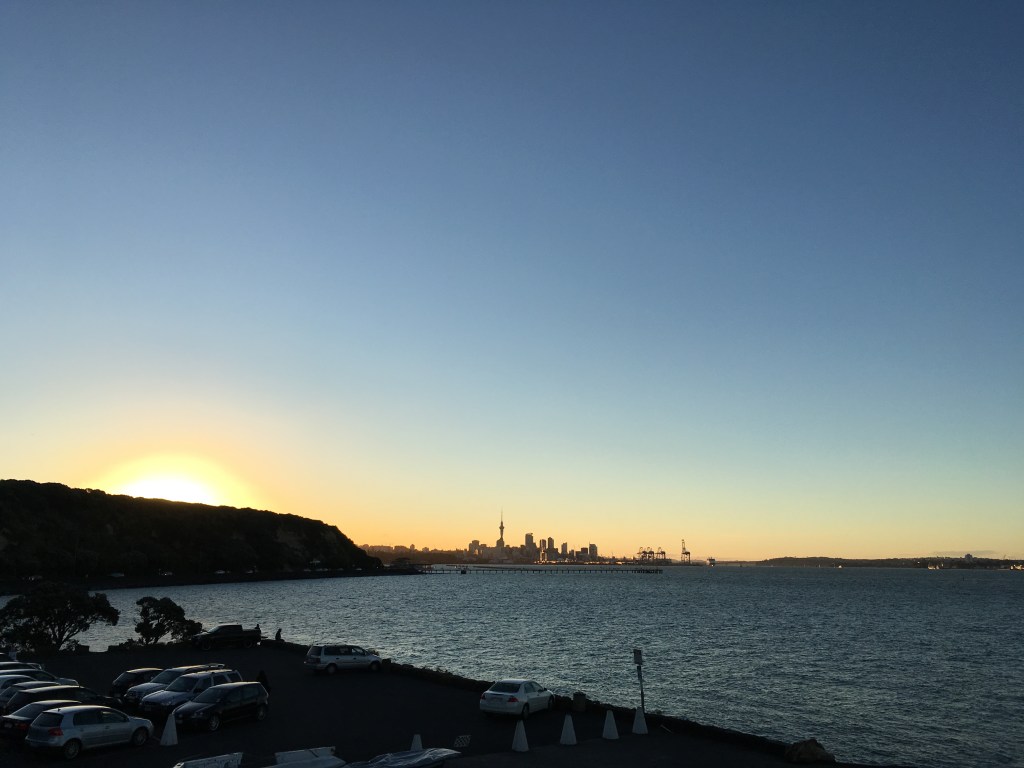
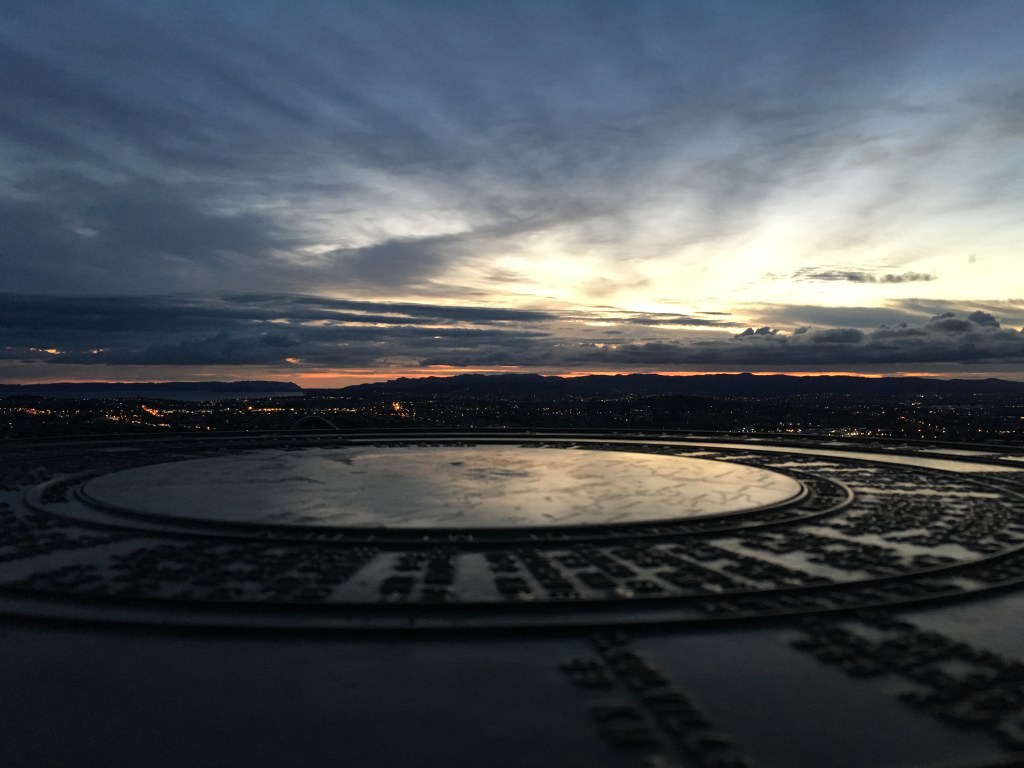
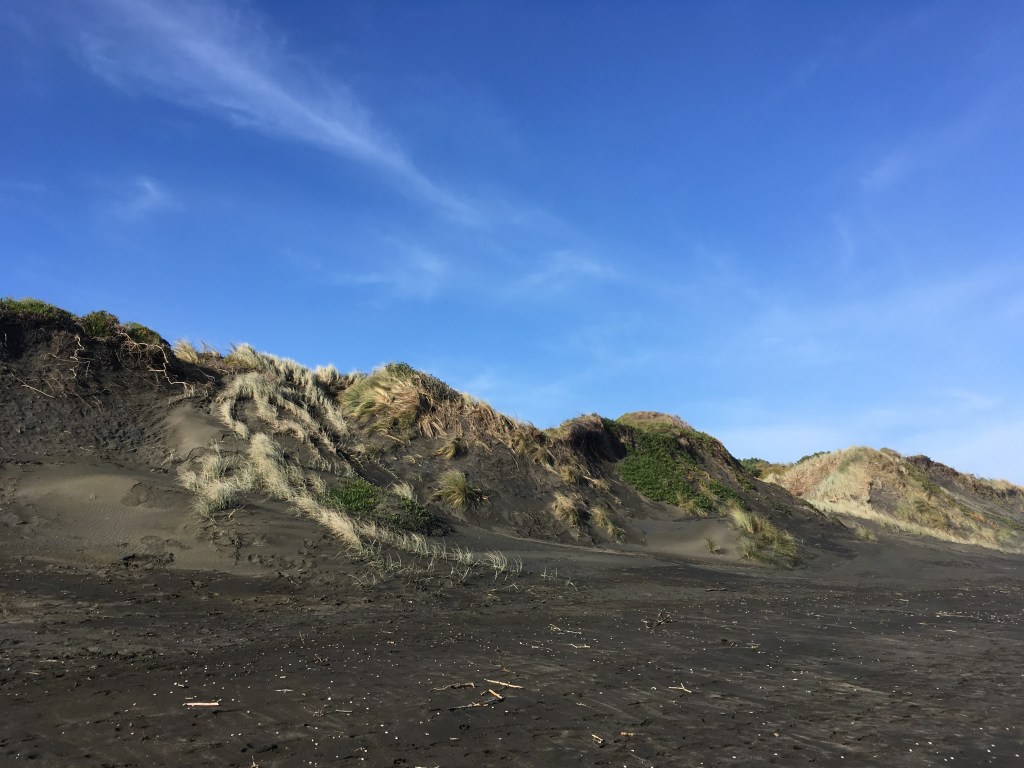
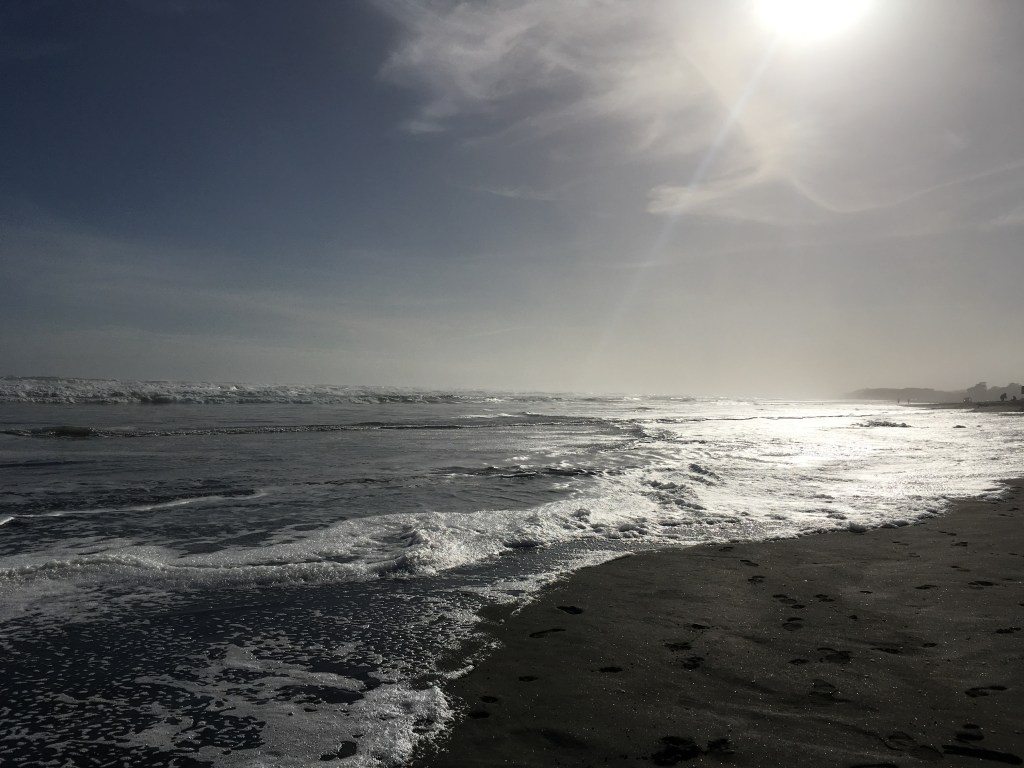
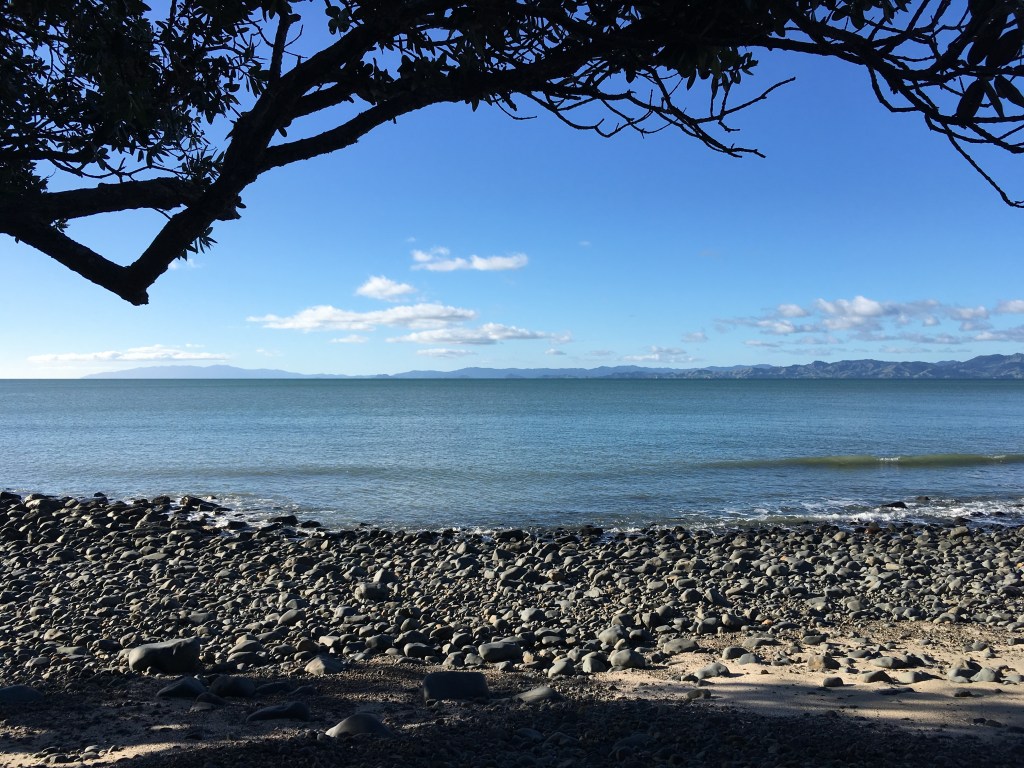
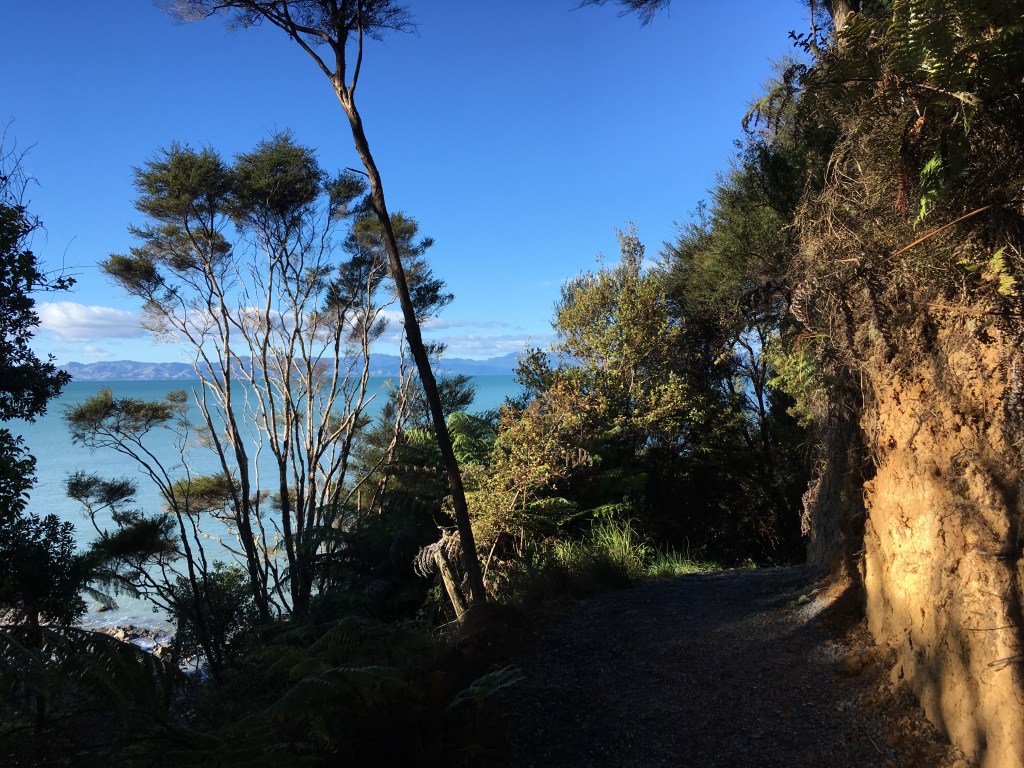
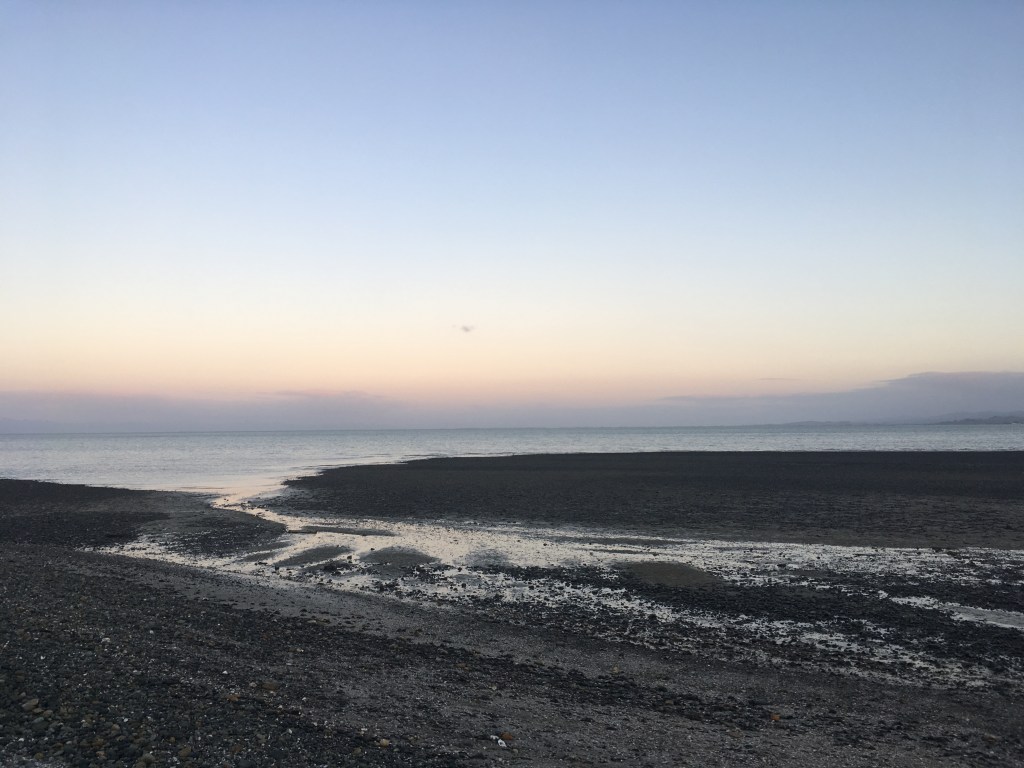
- Perhaps the flip side: being so far away can be incredibly lonely. And when you feel lonely, everything that aches is a little more tender. You will feel homesick too at times, homesick in a way more vivid that you have ever experienced, could ever have imagined: a very sensory deprivation and sense of longing: for familiar colours, sounds, accents, aromas, for everything that makes up the land. Maybe this shows what is truly important to you, which is not a bad thing to know.
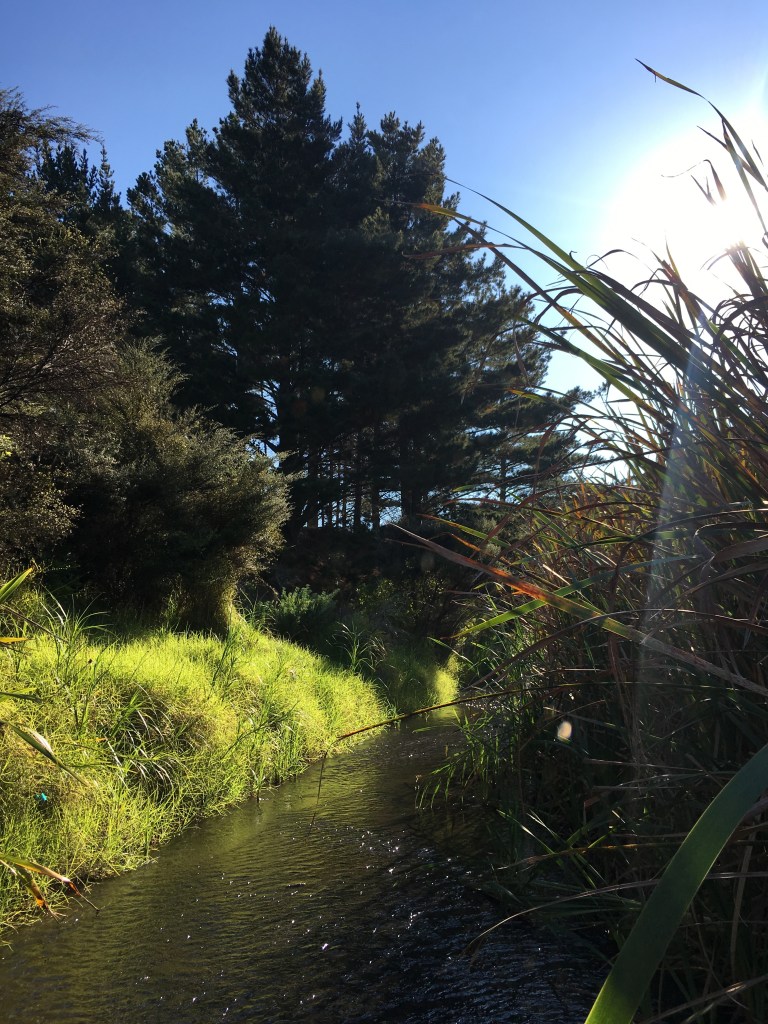
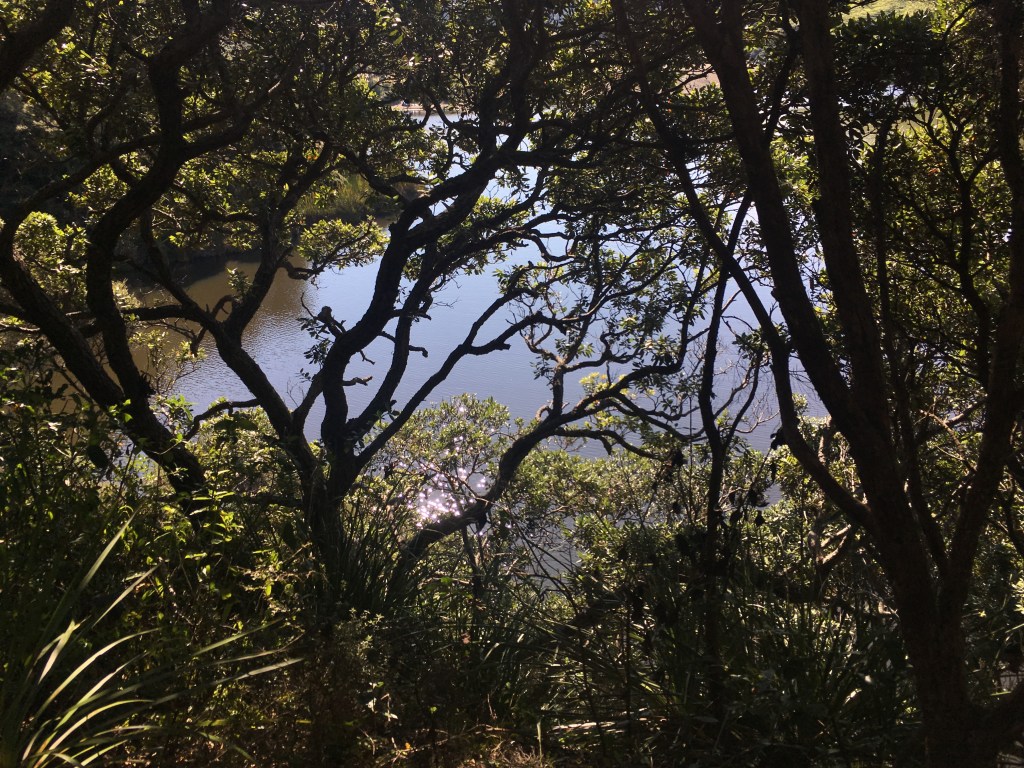
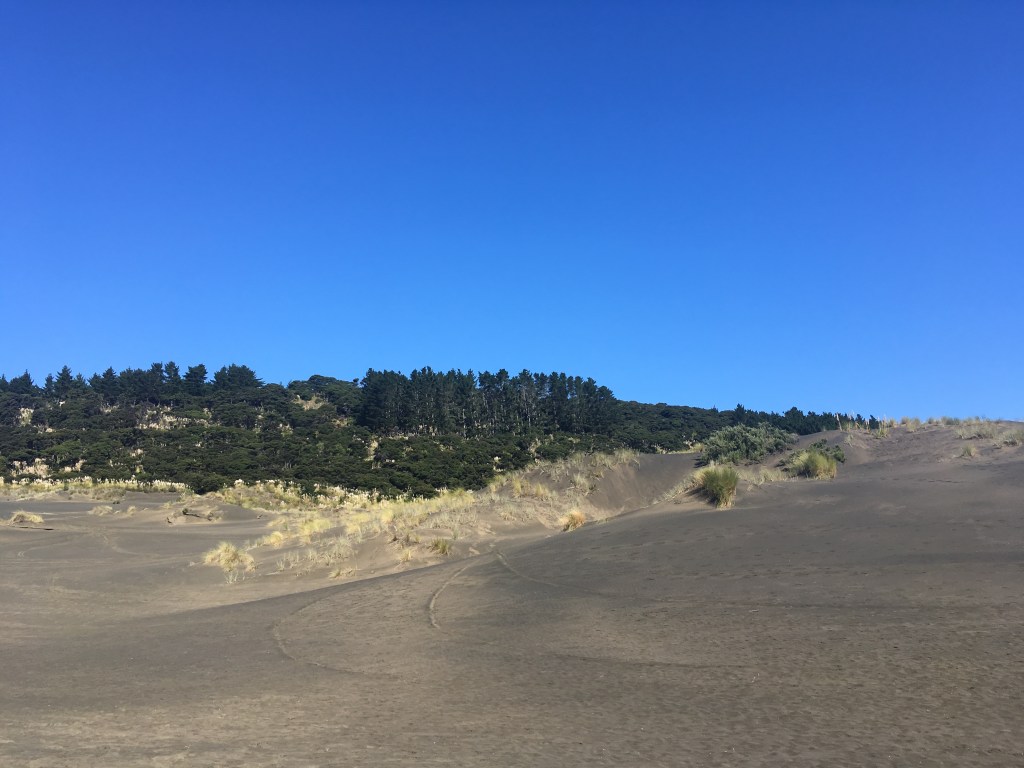
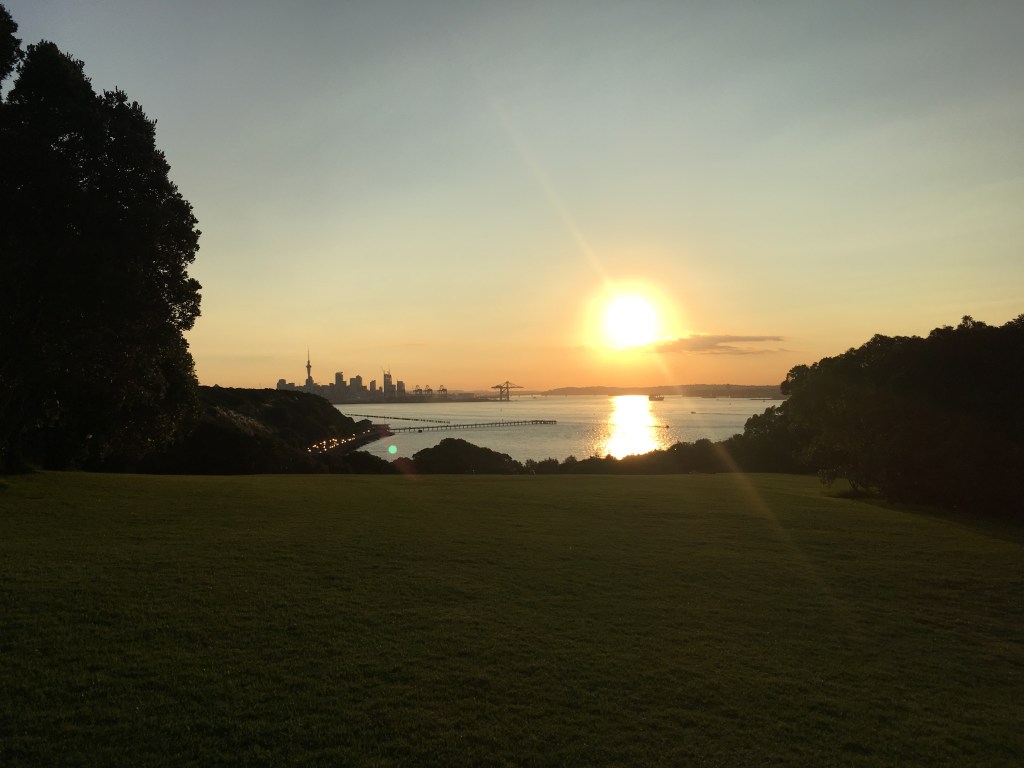
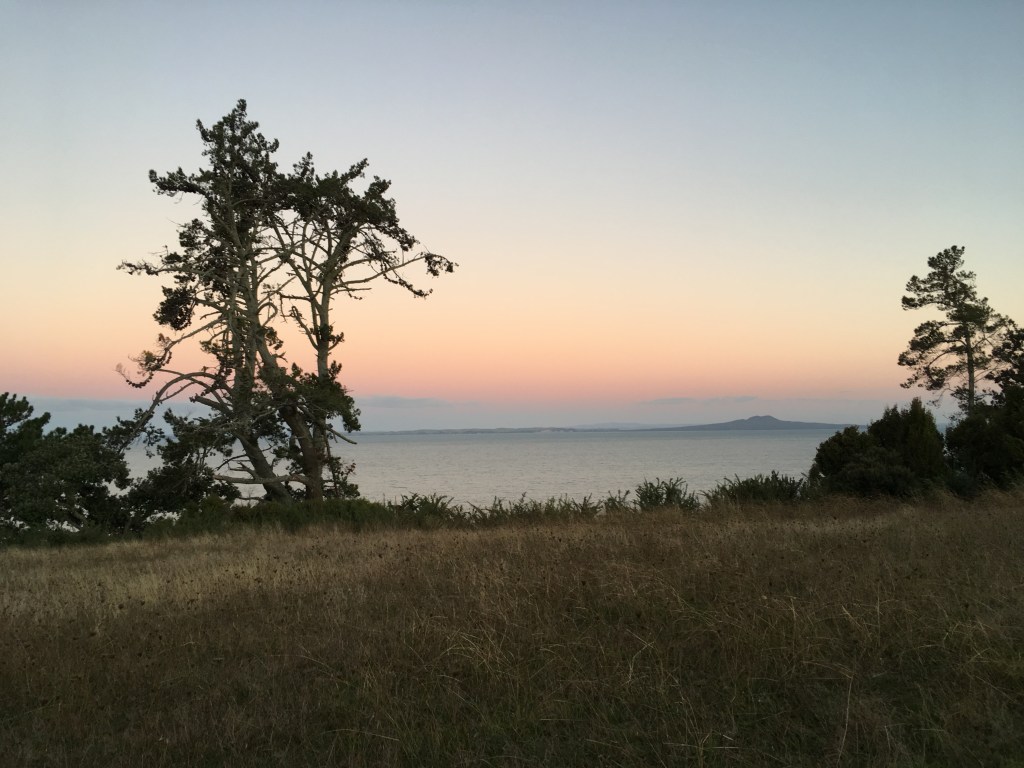

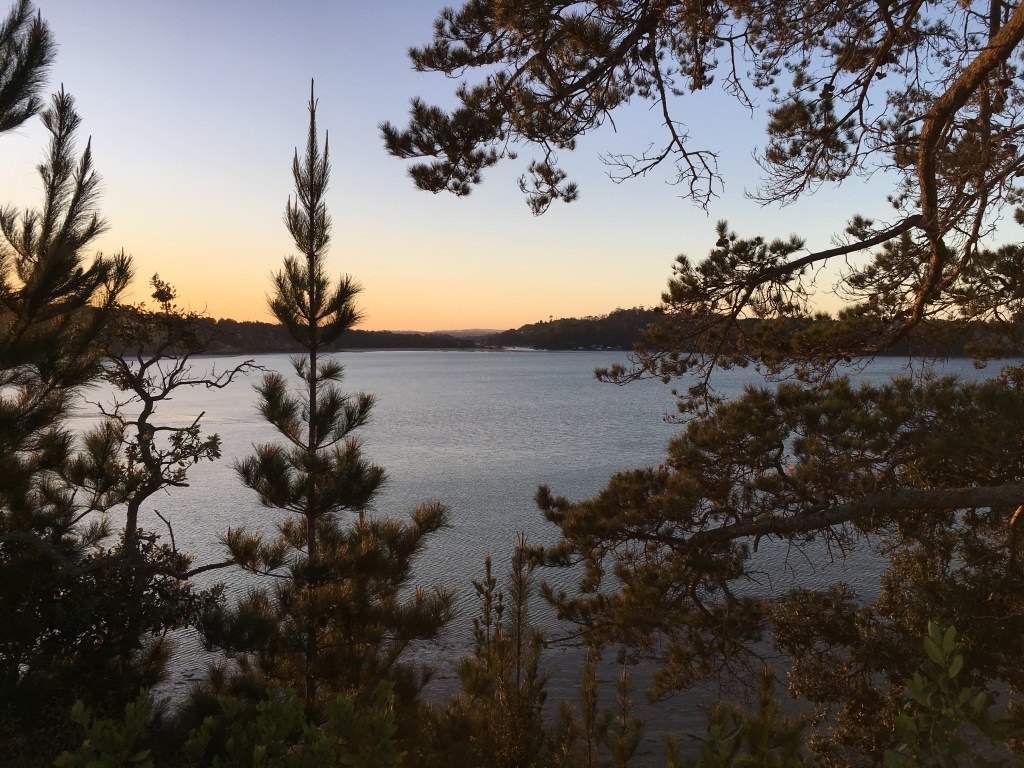

- Some things you feared will come true. You will be absent from many important life events. Some friendships will be stretched and distorted, some may eventually not survive. Often it feels as though you are doing the lion’s share of the work staying in touch – and timezones that barely overlap can make this seem hard and unfair. You will have to find new ways to strengthen relationships and stay connected with people who might be living through a lot in the time that you are gone. It can take years to build a friendship, but on some days if feels as though it wouldn’t take much distance to break one. Equally however, some ties emerge stronger than ever before. And perhaps these things would have changed even if you hadn’t left, who knows. It is what it is.




- After six, nine, twelve months, the friends that you make when you first arrive, other people on working holiday visas, in similar situations to you, will begin to disappear. You will be alone again, committed to a training program. This is the moment where you ask yourself what you’re doing here, the moment where you weigh everything up and ask yourself whether you’re going to stay. You know deep down what you want. But it might be difficult to accept that. How do I reconcile these conflicting interests? The wild heart that wants to be free. The drive to pursue a career as the very best physician I can be. The deep love for my family that will always tug at my core and draw me home. The immense love for my partner, the desire to start a family together. I want to roam wild. I want to gain all the medical experience I can. I want to have tea around our crowded messy home kitchen table. I want to have a baby that crawls around in our vegetable patch. Perhaps when you’ve experienced more you will always be a little restless, hungry for more.



“What is that feeling when you’re driving away from people and they recede on the plain till you see their specks dispersing? – it’s the too-huge world vaulting us, and it’s good-by. But we lean forward to the next crazy venture beneath the skies.”
Jack Kerouac, On The Road
 Mad to Live